The human spine stands out as an incredible structure built to offer both support and movement. While every part of the spine matters, certain areas handle more pressure and become essential. The T12-L1 segment, which links the thoracic and lumbar spine, is one such critical region. This spot acts as a bridge between the stiff upper spine and the more flexible lower spine, which makes it more prone to issues.
To grasp why this part is so significant, you need to notice early warning signs, take steps to prevent problems, and know when to consult a doctor.
Table of Contents
Where Is T12-L1 Located in the Spine?
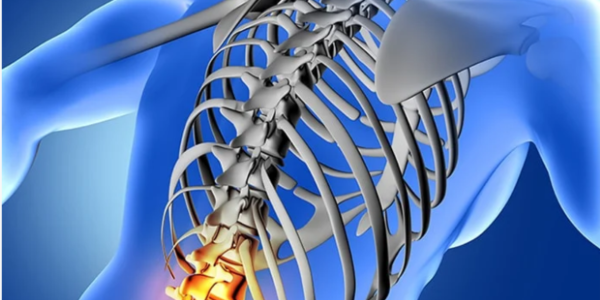
T12-L1 refers to the junction between the 12th thoracic vertebra (T12) and the 1st lumbar vertebra (L1) — roughly at the level of your lower back, just above the waistline. T12 is the last vertebra of the upper back (thoracic spine), where the ribs attach, while L1 is the first vertebra of the lower back (lumbar spine), which carries more of the body’s weight.
This transition point sits close to where the spinal cord itself ends and divides into the cauda equina, a bundle of nerve roots that continue down to the lower body — which is one reason problems at this exact level can be more noticeable than at other spinal segments.
To Understand the Spine’s Structure
The spine has several parts: cervical in the neck, thoracic in the upper back, lumbar in the lower back, sacral, and coccygeal. Each part handles specific tasks. The thoracic area holds up the rib cage and shields important organs. On the other hand, the lumbar spine supports most of the body’s weight and lets you bend and twist.
The T12 vertebra is the last one in the thoracic section, while L1 is the starting vertebra in the lumbar region. This junction serves as a connection between two regions that work together. Because of these differences, this spot takes on more physical stress compared to many levels in the spine.
Why This Section Deals With Extra Stress
The upper part of the spine is stiffer because the ribs connect to it, while the lower spine lets you move more and carries weight. These two different purposes come together at the T12-L1 area. This quick change in movement and weight-carrying responsibilities puts extra pressure on the discs, bones, ligaments, and nearby muscles.
Simple daily actions like sitting for long hours, bending, lifting, or having bad posture can put stress on this section. Over time, this could lead to joint strain, disc wear-down, or even fractures. People with weak bones or poor spine alignment face a higher risk.
What Nerves Do at This Level
Another reason this junction holds medical importance is its closeness to vital nerve structures. The spinal cord stops near the T12-L1 area where it changes into a group of nerves called the cauda equina. Pressure, swelling, or damage in this spot can impact how nerve signals reach the lower part of the body.
Issues in this area might cause pain to spread to the lower back, hips, or legs. Some people could also feel sensations like numbness, tingling, or even weakness in their muscles, based on how the nerves are affected.
T12-L1 Nerve Compression: Symptoms to Watch For
When nerve structures near the T12-L1 junction are compressed or irritated, symptoms often differ from ordinary muscular back pain. Common signs of nerve compression at this level include:
- Pain that radiates from the lower back into the hips, groin, or thighs
- Numbness or tingling in the lower body, particularly the legs
- Muscle weakness affecting the legs or difficulty with balance
- Altered sensation in the saddle area (inner thighs, buttocks) in more significant cases
- Changes in bladder or bowel function — a sign that requires immediate medical attention
These symptoms can range from mild and intermittent to more persistent, depending on the degree of nerve involvement. Because this junction sits close to the cauda equina, any rapidly worsening numbness, weakness, or bladder/bowel changes should be evaluated urgently rather than monitored at home.
Typical Problems in This Region
Many spinal issues tend to affect the thoracolumbar junction because of the physical stress it carries.
- Disc bulges or herniations happen from aging or sudden injuries.
- Compression fractures often develop in older people or individuals with osteoporosis.
- Postural stress injuries result from prolonged sitting or poor posture practices.
- Traumatic injuries occur due to events like falls or vehicle accidents.
- Inflammatory or degenerative changes can worsen over time.
Identifying these problems helps prevent serious complications in the future.
T12-L1 Disc Bulge: Causes, Symptoms, and Treatment
A disc bulge at T12-L1 occurs when the cushioning disc between these two vertebrae weakens and protrudes slightly beyond its normal boundary. Because this junction carries the combined stress of the rigid thoracic spine and the more mobile lumbar spine, its discs are particularly prone to this kind of wear over time.
Common causes include age-related disc degeneration, repetitive strain from poor posture, and sudden injuries from lifting or trauma. Symptoms can include localised back pain, stiffness, and — if the bulge presses on nearby nerve structures — radiating pain, numbness, or weakness in the lower body.
Most T12-L1 disc bulges are managed conservatively at first, with guided physiotherapy, posture correction, and activity modification. Imaging such as an MRI helps confirm the size and exact position of the bulge and whether it is affecting nearby nerves. Surgery is typically only considered when conservative treatment fails or when there are signs of significant nerve compression.
Symptoms That Need Attention
Pain in the T12-L1 area often feels different than typical lower back pain. Some people describe it as a deep aching in the middle or lower back. Others talk about stiffness that gets worse when they move. Bending forward, standing too long, or lifting things can make the pain worse.
Other signs to look out for might include less flexibility in your spine, tenderness in a specific spot, or pain that spreads to nearby areas. If the pain sticks around for more than a few weeks, it’s important to see a doctor.
Why Getting the Right Diagnosis Matters
Symptoms from this part of the spine often mimic other back issues, so it’s very important to diagnose it. Doctors use clinical exams, imaging tools like X-rays or MRIs, and detailed questions about your medical history to find out the real cause of the pain.
Doctors at a well-known spine hospital in Delhi stress the importance of an accurate diagnosis before starting any treatment. This approach helps them focus care and avoid treatments that are not needed.
Treatment Methods and Healing
Addressing T12-L1 problems depends on their cause and how serious they are. In many situations, simple steps like guided exercises, fixing posture, changing daily activities, and methods to manage pain work well.
Some cases might need more advanced care. A trusted spine specialist hospital in Delhi provides team-based solutions that mix rehab, medical treatments, and, if required, skilled surgeries. Their main aim is to bring back proper movement and keep risks as low as possible.
Staying Healthy and Protecting Your Spine
Taking care of your spine is the best way to keep delicate areas like T12-L1 protected. Everyday habits like sitting with proper posture, choosing comfortable seating, building core strength, and avoiding quick,k heavy lifting can help lower strain in this spot.
Staying active, watching your weight, and getting health check-ups on time also matter a lot. People who have dealt with back pain or bone problems should take extra steps to get advice.
When It’s Time to Seek Expert Help
Seeing an experienced expert is crucial when pain disrupts your daily life or does not get better. Many people living in East Delhi and other parts of the city turn to trusted professionals such as Dr. Amit Shridhar Delhi, who specializes in all-around spine care and informs patients about their health. Acting early often helps people recover quicker and improves results over time.
Finding the best spine specialist in Delhi means considering skills, open communication, and care that puts the patient first instead of making quick choices.
FAQ
1. Where exactly is T12-L1 located?
T12-L1 is the junction between the last thoracic vertebra and the first lumbar vertebra, located in the lower back just above the waistline, close to where the spinal cord transitions into the cauda equina.
2. What are the symptoms of T12-L1 nerve compression?
Symptoms can include radiating pain into the hips or legs, numbness or tingling, muscle weakness, and in more serious cases, changes in bladder or bowel function that require urgent evaluation.
3. Can a T12-L1 disc bulge heal without surgery?
Many T12-L1 disc bulges improve with conservative treatment such as physiotherapy, posture correction, and activity modification. Surgery is usually reserved for cases where conservative care fails, or nerve compression is significant.
Conclusion
The T12-L1 junction is key to keeping the spine stable and supporting movement. It connects two very different parts of the spine and, because of this, faces a higher chance of stress, damage, or wear over time. Knowing its role can help people spot problems, take steps to prevent issues, and get the right treatment when needed. Staying informed, getting a proper diagnosis, and following advice from a reliable spine care center can often help manage most problems in this area. Taking care of this important section of the spine helps protect your ability to move, stay comfortable, and maintain good spinal health in the long run.