Lower back pain that spreads to the buttocks, thighs, or legs is often caused by a problem in the L4-L5 area of …
Welcome to our informational page about Spondylolisthesis which is curated by Dr. Amit Shridhar, a famous spine surgeon specializing in treating spinal conditions. This page aims to give you complete knowledge about Spondylolisthesis as well as its causes and symptoms, its diagnosis and treatment options available.
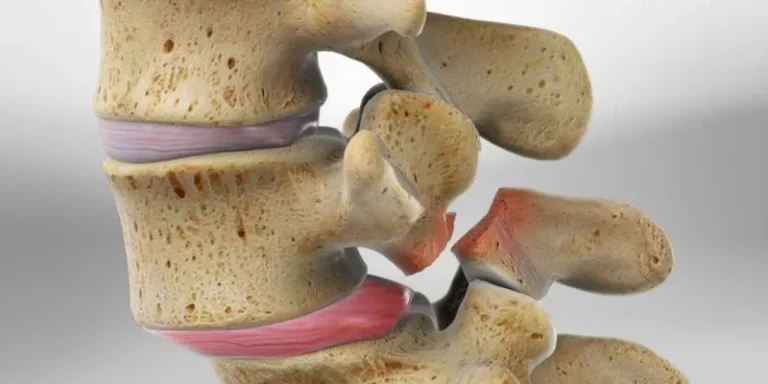
Spondylolisthesis is a condition of the spine which is defined in the way it causes displacement of a vertebra over another. This can be due to a variety of causes that can lead to the instability of the spine and possibly pressure on spinal nerves.
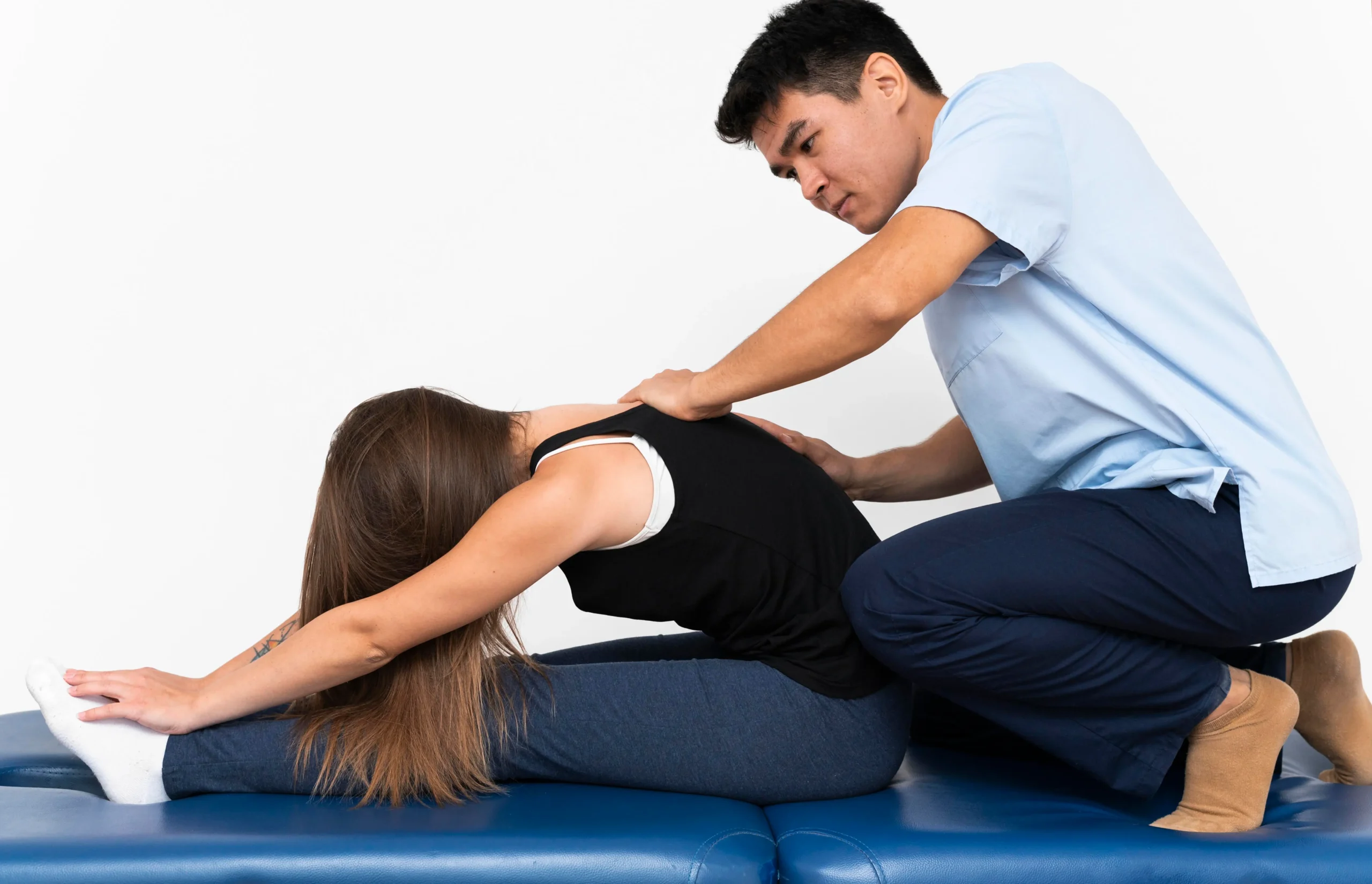
The treatment for spondylolisthesis is based on a variety of factors, including the severity of the symptoms, the degree of vertebral slippage and the overall well-being of the person. Dr. Amit Shridhar specializes in the treatments that are specific to each patient’s individual needs, such as: 1. The treatment options for conservative management could consist of physical therapy, rest and pain management techniques and bracing to help stabilize the spine.

This may include rest, physical therapy, pain management techniques, and bracing to stabilize the spine.

Nonsteroidal anti-inflammatory drugs (NSAIDs), muscle relaxants, and analgesics may be prescribed to alleviate pain and inflammation.

In cases where conservative measures fail to provide relief or if there is severe spinal instability, surgical intervention may be recommended. Dr. Amit Shridhar employs advanced surgical techniques such as spinal fusion or decompression to address spondylolisthesis effectively.
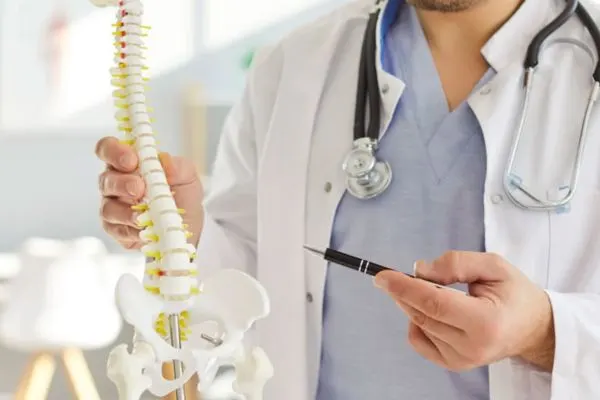
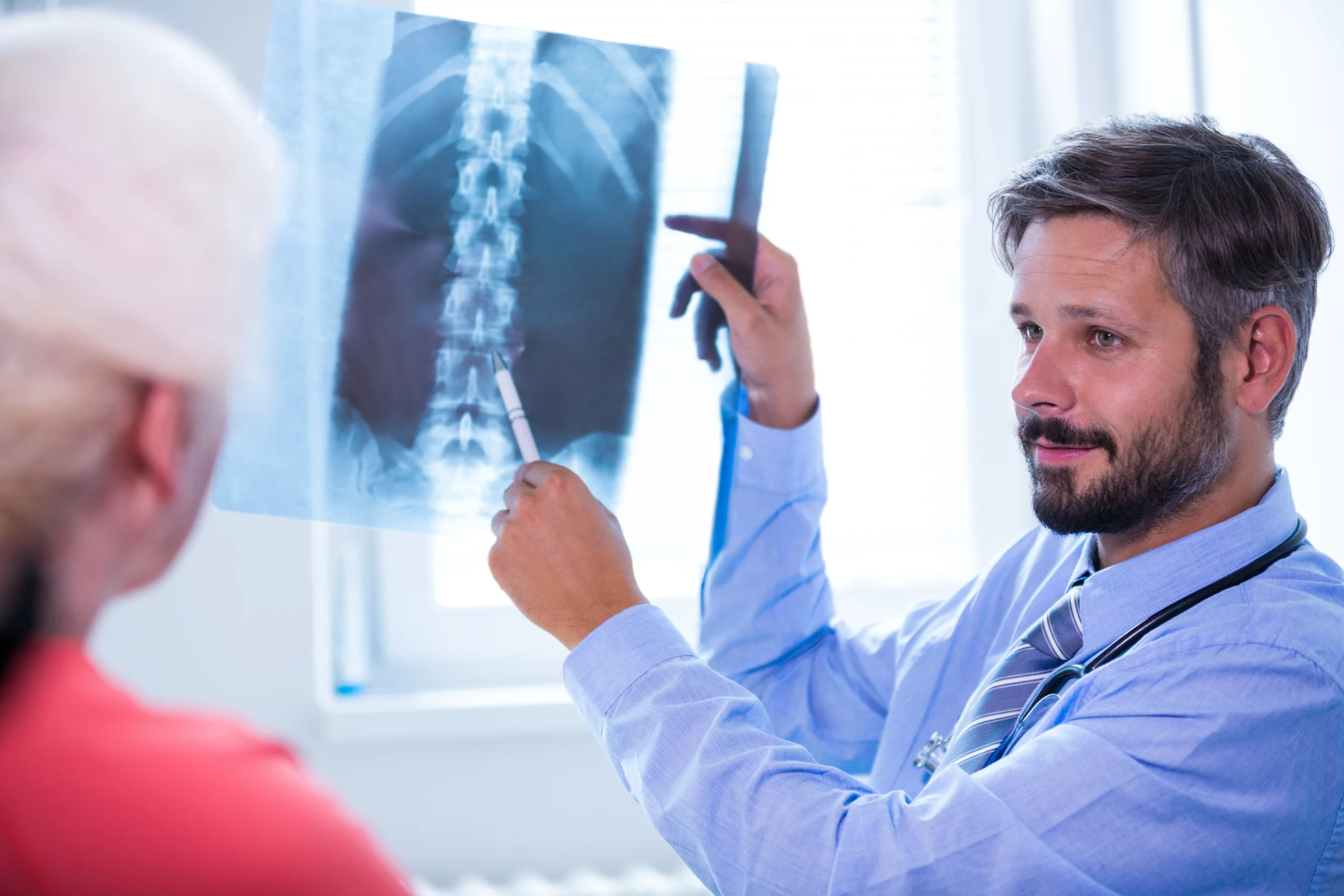
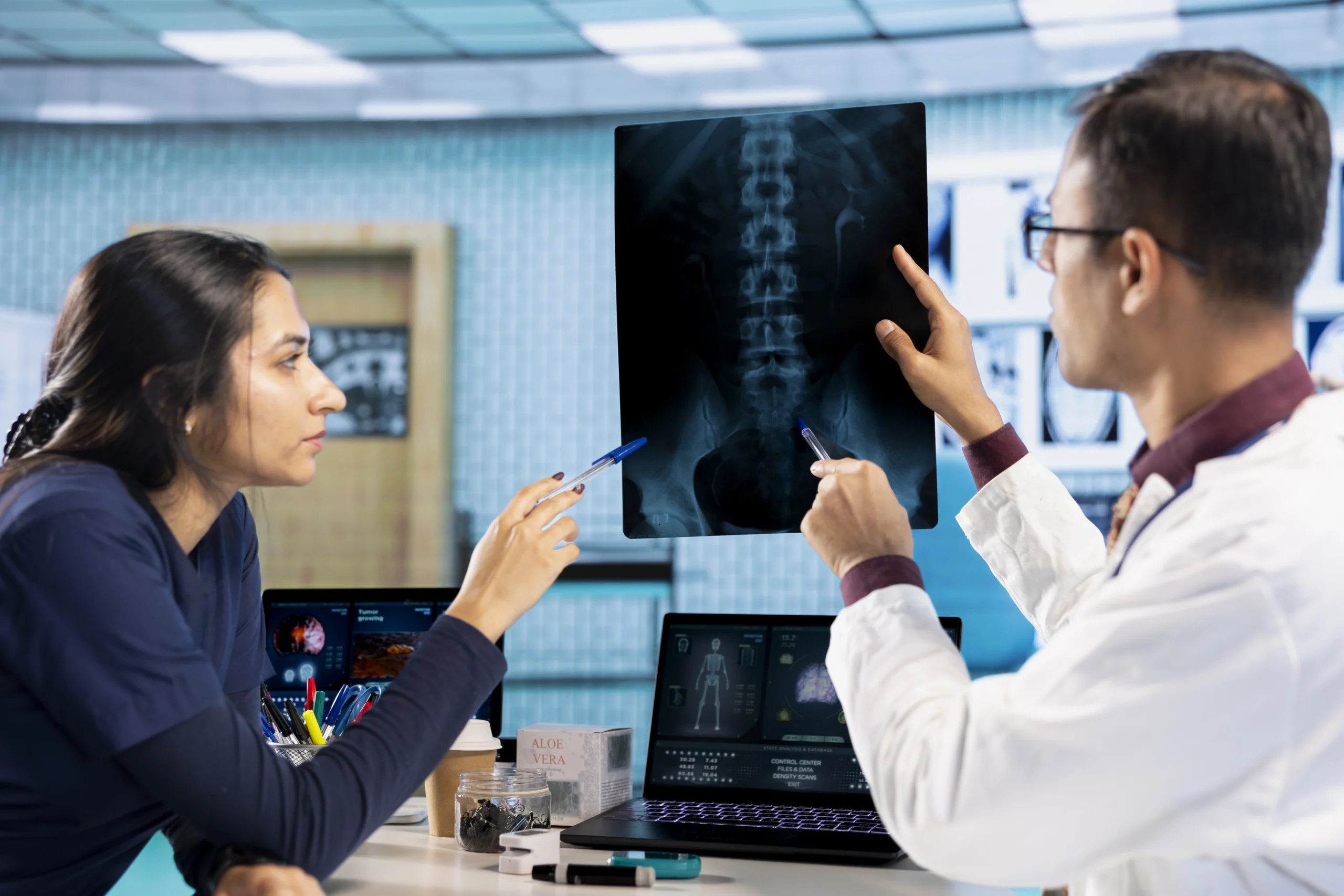
The process of diagnosing spondylolisthesis usually involves an exam as well as a medical history review and imaging studies like the X-rays CT scans, and MRI scans. These tests aid in determining the degree of spinal slippage and evaluate any spine nerve pressure.
The symptoms of spondylolisthesis differ based how severe the problem and the extent of the slippage of the vertebra. Common signs include:
Spondylolisthesis can significantly impact an individual’s quality of life, but with proper diagnosis and treatment, many patients can experience significant relief from their symptoms. If you suspect you may be suffering from spondylolisthesis or are experiencing persistent back pain, we encourage you to schedule a consultation with Dr. Amit Shridhar, who can provide expert evaluation and personalized treatment recommendations tailored to your needs.
Explore helpful articles on managing pain, recovering faster, and keeping your bones and joints healthy for an active lifestyle.
Lower back pain that spreads to the buttocks, thighs, or legs is often caused by a problem in the L4-L5 area of …
If you have been dealing with constant back pain that shoots down your leg, or neck pain that causes a tingling in …
Sciatica pain can affect daily life in many ways — from lower back discomfort and leg pain to tingling, numbness, and even …
Sciatica pain can make even simple everyday activities difficult — from walking and sitting to sleeping comfortably. While many people recover with …
Sciatica pain can become even more uncomfortable at night. Many people struggle to find a comfortable sciatica sleeping position because pain, tingling, …
Sciatica is a common nerve-related condition that causes pain radiating from the lower back to the legs. However, when it progresses, the …
Back Pain | Sciatica | Spinal TB | Cervical Pain | Slip Disc | Neck Pain | Slipped Herniated Disc | Osteoporotic Vertebral Fractures | Lumbar Degenerative disc(DDD) | Sacroiliac Joint Pain | Spinal Tuberculosis | Spinal Stenosis | Microdiscectomy | Kyphoplasty | Spinal Fusion | Discectomy and Fusion (ACDF) | MIS Spine | Spine Fixation For Fractures | Endoscopic Spine Surgery