Dr.Amit Shridhar

Best Slip Disc Doctor in Delhi

Slip Disc

Dr. Amit Shridhar

Best Doctor for Slip Disc in Delhi

Advanced Slipped Disc Treatment by an Expert Slip Disc Doctor in Delhi

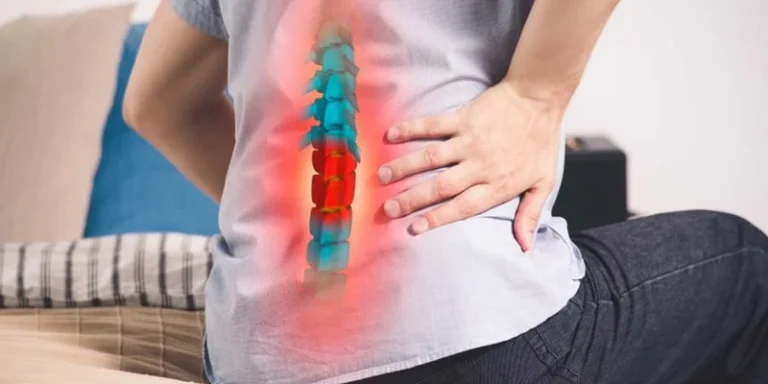
A slipped disc, also known as a herniated or prolapsed disc, is a common spine condition that can cause severe back pain and discomfort. But what is a slipped disc? It occurs when the soft inner part of a spinal disc pushes out and presses on nearby nerves, leading to pain, numbness, or weakness.

If left untreated, it may lead to chronic pain and reduced mobility. Dr. Amit Shridhar, a leading slip disc doctor in Delhi, offers modern and personalised slipped disc treatment in Delhi, including both non-surgical and surgical options based on your condition.

Symptoms of a Slipped Disc:

If you’re experiencing these symptoms, it’s crucial to consult the best slip disc doctor in Delhi Anand Vihar, Rohini for an accurate diagnosis and timely treatment.

Share Your Report on WhatsApp

Why Choose Dr. Amit Shridhar?

Surgical Intervention

Expert Slip Disc Specialists:

Dr. Amit Shridhar is among the best slip disc doctors in Delhi, with extensive experience in diagnosing and treating complex spinal conditions.

Best Facilities

Best Facilities:

We are equipped with cutting-edge technology, ensuring the highest standard of care for all patients.

Holistic Approach

Holistic Approach:

We focus not only on treating the condition but also on preventing future recurrences through post-treatment care and rehabilitation.

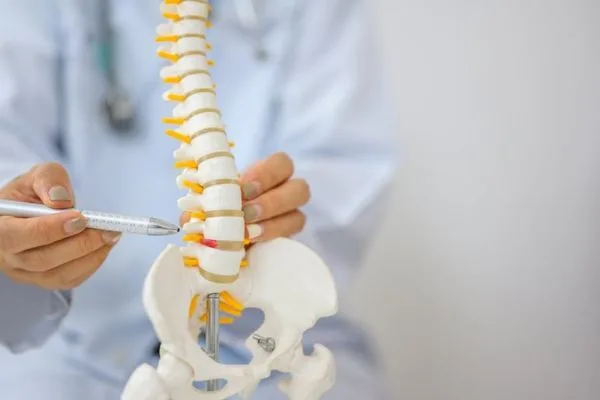
Best Hospital for Slip Disc in Delhi:

At Parmanand Hospital Delhi, we pride ourselves on being recognized as one of the best hospitals for Best Doctor for Slip Disc in Delhi. From diagnostics to post-surgical rehabilitation, we provide comprehensive care under one roof.

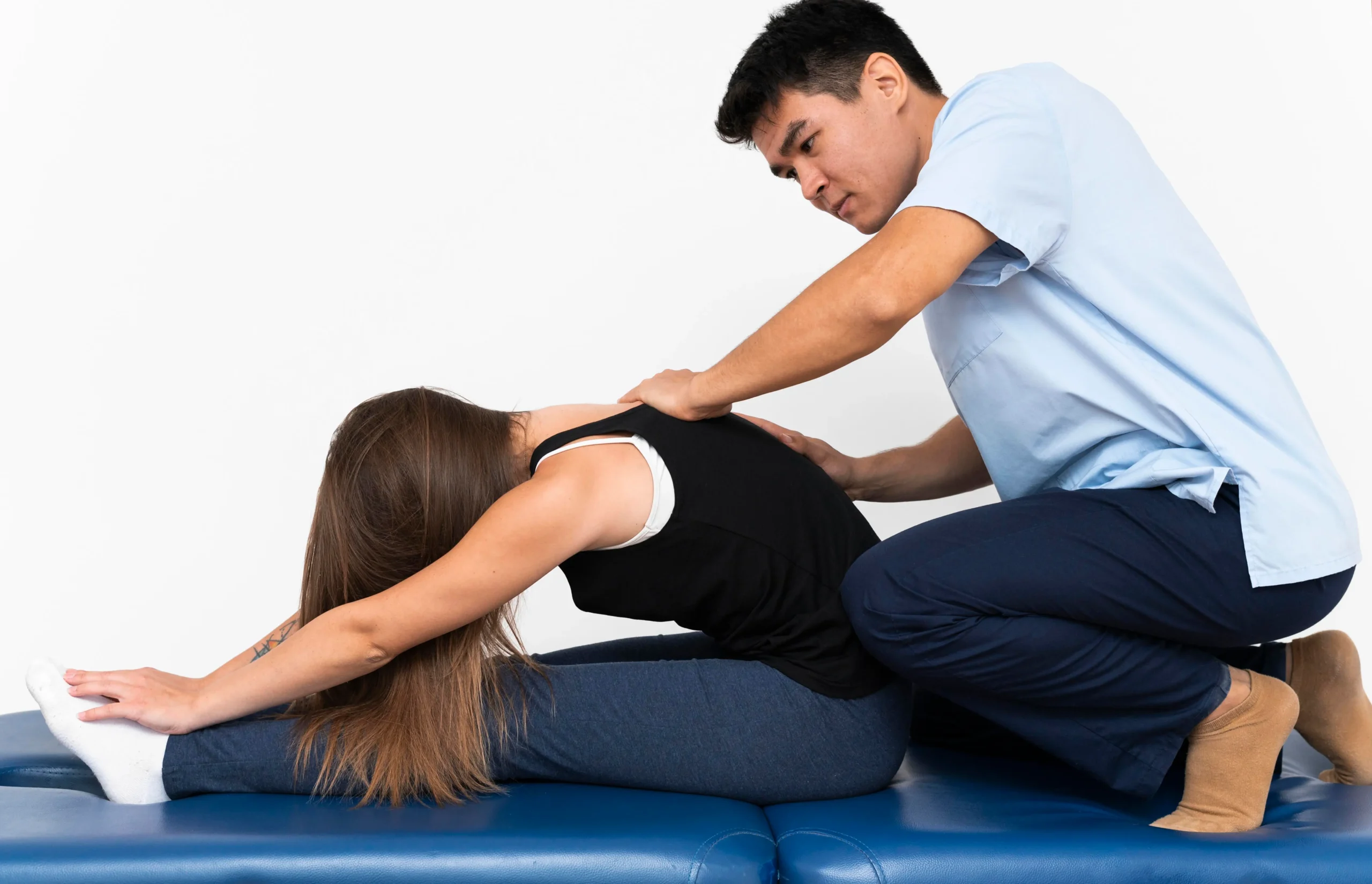
Best Slipped Disc Exercises for Faster Recovery

Along with medical treatment, the right slipped disc exercises play a crucial role in recovery by reducing nerve pressure, improving flexibility, and strengthening the spine. These exercises are a key part of effective slipped disc treatment in Delhi and help prevent future issues.

Common recommended exercises include:

These exercises should always be done under expert guidance to ensure safe recovery and avoid further injury.

Slip Disc Exercises

How Is a Slipped Disc Diagnosed?

Diagnosis comes first. Treatment depends on which disc is involved, which nerve is affected and how severe the symptoms are.
A spine specialist usually begins with:

  • Medical history: where the pain travels, how long it has lasted, and what makes it better or worse
  • Physical and neurological examination: strength, sensation, reflexes and walking
  • Imaging when clinically indicated


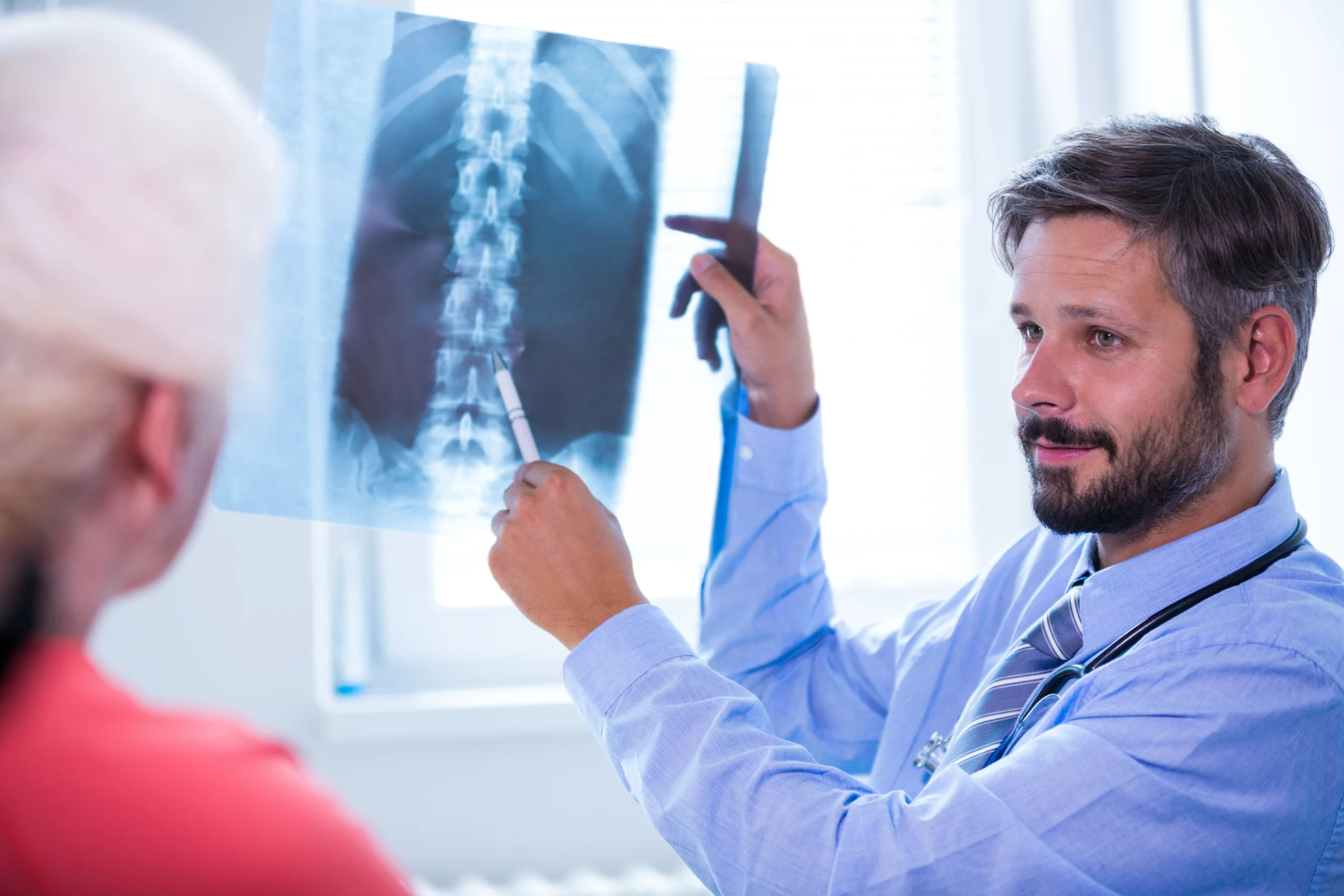
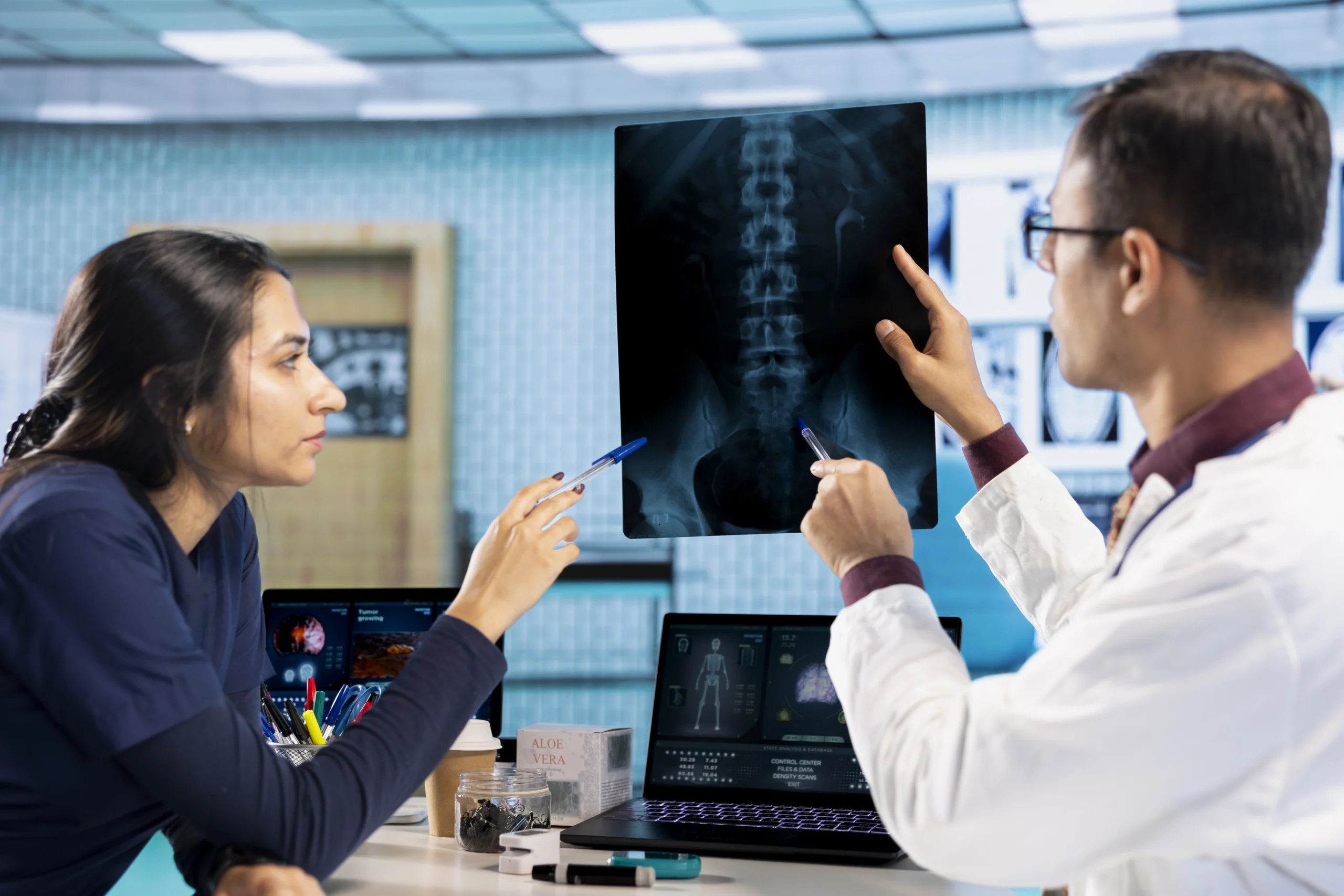
An X-ray shows bones and alignment but does not directly show a herniated disc. An MRI is commonly used when a detailed view of discs and nerves is needed, for example when symptoms are severe, persistent or involve weakness, or when an injection or surgery is being considered. Not every patient with a slipped disc needs an MRI at the first visit.

Disc bulges can also appear on scans of people with no symptoms, so reports are interpreted together with your examination.

When Does a Slipped Disc Need Surgery?

Surgery is considered only in selected patients, after clinical evaluation. Many slipped discs are first managed without surgery.

Surgery may be discussed when there is:

  • Persistent or disabling symptoms despite appropriate conservative treatment
  • Significant nerve compression on examination and imaging
  • Progressive muscle weakness
  • Certain severe neurological findings
  • A specific structural problem where surgery is clinically appropriate


The decision depends on your symptoms, examination, MRI findings and overall health. A disc herniation on MRI does not automatically mean surgery. Options such as microdiscectomy or endoscopic surgery are chosen according to the disc level and problem. [Microdiscectomy →]

Symptoms that need prompt medical evaluation

  • New or worsening muscle weakness or difficulty walking
  • New bladder or bowel control problems
  • Numbness in the saddle (groin/inner thigh) area
  • Severe symptoms after major trauma

If you notice these, seek medical care promptly rather than waiting for a routine appointment.

Slipped Disc Treatment by Best Slip Disc Doctor in Delhi

At our spine care center, we offer personalized treatment plans based on the severity of your condition. Some of the most effective treatments include:

Microdiscectomy

Consult Dr. Amit Shridhar Now

“Empower Your Spine Health – Consult Dr. Amit Shridhar Now for Personalized Care and Lasting Relief!”

Frequently Asked Questions (FAQ)

 A slipped disc is diagnosed through physical examination and imaging tests like MRI or CT scan to identify the affected disc and nerve compression.

In some cases, a slipped disc can improve with rest, medication, and physical therapy. However, more severe cases may require surgical intervention.

You should see a slip disc specialist in Delhi if you experience persistent back pain, numbness, tingling in the legs or arms, or difficulty with movement. Immediate medical attention is required if the pain is severe or accompanied by loss of bladder or bowel control.

The chances of recurrence are minimal when post-operative care and rehabilitation are followed correctly. Our specialists work closely with patients to ensure long-term spinal health.

Recovery time varies depending on the individual and the type of surgery. Most patients can resume normal activities within a few weeks, although full recovery may take a few months.

Not always. MRI is considered when symptoms are severe, persistent or nerve-related, or when treatment decisions need detailed imaging.

Yes, guided physiotherapy may help reduce symptoms and improve function in many patients once the diagnosis is confirmed.

A spine specialist, such as an orthopaedic spine surgeon, can assess your symptoms and advise suitable treatment options.

Yes, if a lumbar disc irritates a nerve, it may cause leg pain, tingling or numbness, including sciatica.

Surgery may be considered for persistent symptoms despite treatment, significant nerve compression or worsening weakness, after specialist evaluation.

Frequenty Asked Questions

Blogs

Latest Blogs

Explore helpful articles on managing pain, recovering faster, and keeping your bones and joints healthy for an active lifestyle.