If back pain has taken over your life and your doctor has mentioned surgery, one question is probably on your mind: “Is this actually safe?” Understanding the real slip disc surgery risk — not the worst-case horror stories you find online — is the first step to making a confident, informed decision about your spine.
This is a complete guide that breaks down what a slipped disc really is, the genuine complications linked to surgery, when an operation makes sense, and what recovery and success actually look like. It’s written to help you to ask the right questions before you commit to any treatment.
What Is a Slipped or Herniated Disc?
Your spine is cushioned by soft, gel-like discs that sit between each vertebra. A slipped disc (also called a herniated or prolapsed disc) happens when the soft inner material pushes through a crack in the tougher outer layer.
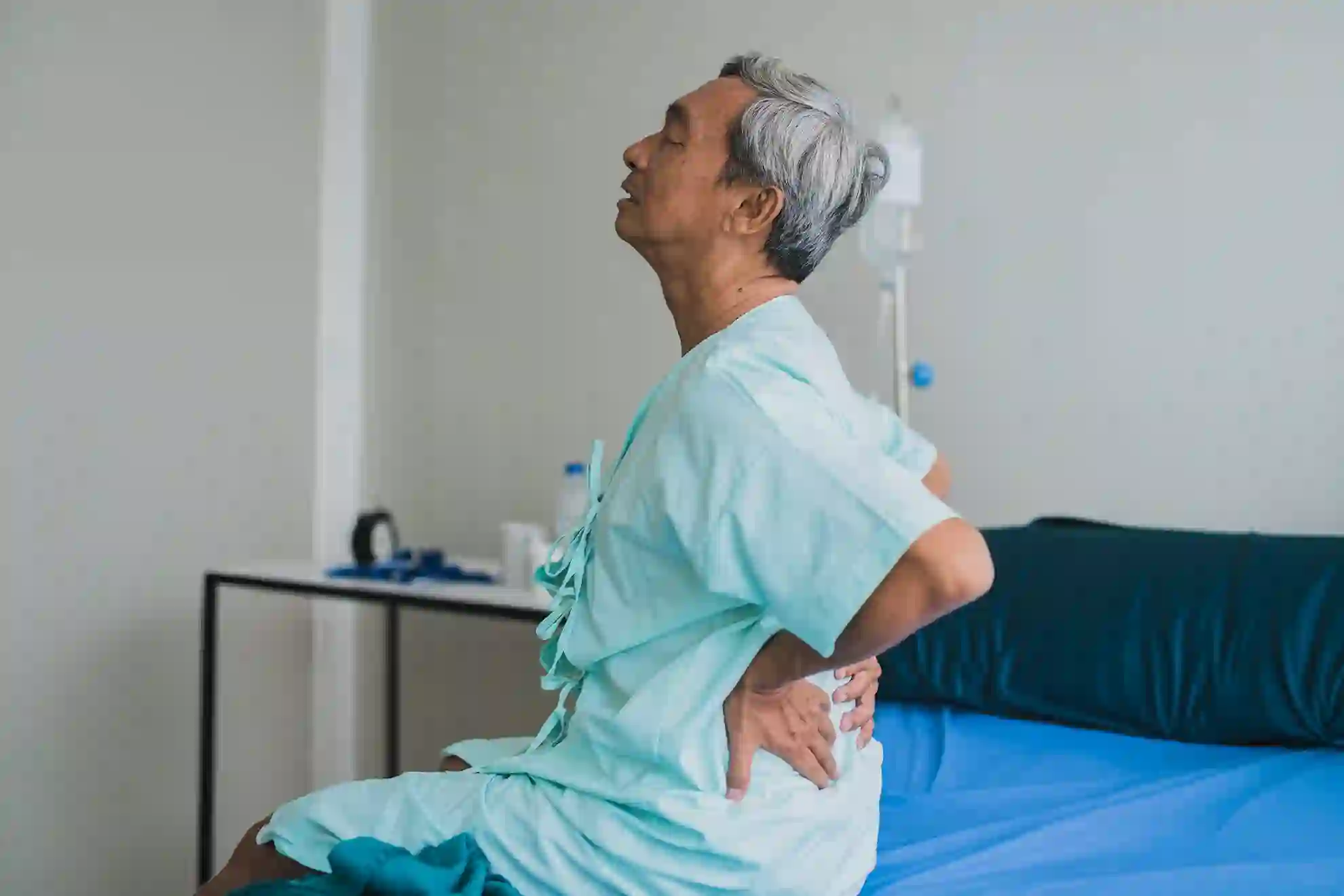
This bulging material can press on nearby nerves it causing:
- Sharp or burning back pain
- Numbness or tingling in the arms or legs
- Muscle weakness
- Pain that radiates down the leg (sciatica) or arm
Most slipped discs occur in the lower back (lumbar spine) or neck (cervical spine), and many improve with rest, physiotherapy, and medication — surgery is not always the first step.
Common Slip Disc Surgery Complications
No surgery is completely risk-free, and understanding the common slip disc surgery complications helps set realistic expectations. Research shows overall complication rates typically range in between 5% to 15%, depending on the surgical technique and the patient’s health.
Common complications include:
- Infection at the incision site
- Bleeding during or after the procedure
- Nerve irritation or damage, leading to numbness or weakness
- Dural tears (leakage of spinal fluid)
- Recurrent disc herniation at the same level
- Anesthesia-related reactions
Factors that can increase your personal risk include age, obesity, diabetes, smoking, and pre-existing spinal conditions. Discussing these openly with your surgeon helps him tailor the safest surgical plan for you.
Slip Disk Surgery Risks: The 8 Major Complications
Here is a clear breakdown of the eight slip disk surgery risks every patient should understand before consenting to a procedure.
1. Infection at the surgical site
Even with sterile operating conditions, the body’s skin and internal tissue can still pick up an infection during or after surgery.
- Can appear at the skin incision (superficial) or, less commonly, deeper near the spine
- Usually shows up as redness, swelling, warmth, fever, or unusual discharge within the first 1–2 weeks
- Most cases are managed successfully with a course of antibiotics
2. Nerve damage or irritation
Because the Slip Disc surgeon is working in close proximity to the spinal nerves, there is always a small chance of an accidental nerve irritation.
- Can cause temporary numbness, tingling, or weakness in the leg or arm
- In most patients, symptoms settle down within weeks as swelling reduces
- Permanent nerve damage is an uncommon and typically limited to complex or repeat surgeries
3. Dural tears and CSF leakage
The dura is a thin membrane that protects the spinal cord and the nerve roots, and it sits very close to the herniated disc material being removed.
- A small tear can allow cerebrospinal fluid (CSF) to leak out
- Common symptoms include a positional headache (worse when sitting/standing, better lying down)
- Most tears are identified and repaired immediately during the same surgery
4. Bleeding and blood clots
Some blood loss is expected in any surgery, but significant bleeding is uncommon in modern spine procedures.
- Minimally invasive techniques generally involve very little blood loss
- Surgical teams monitor the blood pressure and blood clotting closely throughout the operation
- Rarely, a blood clot (hematoma) can form near the surgical site and press on the nerves
5. Recurrent disc herniation
Even after a successful operation, the same disc can herniate again in a small percentage of patients.
- Most likely to happen at the same spinal level within the first few months to a year
- Often linked to early return to heavy lifting, bending, or twisting before the disc has healed
- May cause a return of leg or back pain similar to the original symptoms
6. Failed Back Surgery Syndrome (FBSS)
FBSS refers to ongoing or new pain that continues despite an otherwise technically successful surgery.
- It can involve back pain, leg pain, or both, persisting beyond the expected recovery window
- Causes are often multifactorial — scar tissue, nerve sensitisation, or an incomplete diagnosis before surgery
- Typically managed with a combination of physiotherapy, pain management, and lifestyle changes
7. Anesthesia-related risks
General anesthesia is required for most disc surgeries, and while serious reactions are rare, they are always screened for in advance.
- Pre-surgery evaluation checks heart, lung, and overall fitness for anesthesia
- Possible but uncommon reactions include breathing difficulty, allergic response, or blood pressure changes
- Anesthesiologists monitor vital signs continuously throughout the procedure
8. Scar tissue formation
As the body heals after surgery, it naturally forms scar tissue around the operated area — but occasionally this tissue becomes a problem of its own.
- Scar tissue (sometimes called epidural fibrosis) can form around the nerve root
- May cause renewed pain, stiffness, or nerve irritation weeks to months after surgery
- Harder to distinguish from disc recurrence without an MRI, so proper follow-up imaging matters
When Is Surgery an Option for a Slipped Disc?
Surgery is usually considered only after conservative treatment hasn’t worked, or when symptoms are severe. Your doctor may recommend surgery when:
- Pain persists for 6 weeks or more despite physiotherapy and medication
- There is significant weakness or loss of movement
- You experience loss of bladder or bowel control (a medical emergency)
- Nerve compression is confirmed on MRI and matches your symptoms
If none of these apply, non-surgical care is usually tried first.
Can Surgery Relieve the Symptoms of a Slipped Disc?
Yes — for the right candidate, surgery can significantly relieve pain, numbness, and weakness by removing pressure from the compressed nerve. Most patients notice improvement in leg or arm pain within days to weeks.
However, surgery is not a guaranteed cure for all back pain, especially pain unrelated to nerve compression. That’s why a precise diagnosis matters more than the procedure itself.
Are Other Surgical Procedures Available for Slipped Discs?
Depending on the location and severity of the herniation, your surgeon may recommend:
- Microdiscectomy – a minimally invasive procedure to remove the herniated portion of the disc
- Endoscopic discectomy – uses a small camera-guided tube for an even smaller incision
- Laminotomy or laminectomy – removes part of the bone to relieve nerve pressure
- Spinal fusion – joins two vertebrae for stability in more complex cases
- Artificial disc replacement – replaces the damaged disc with an implant in select cases
Each option carries its own benefit-to-risk ratio, which your surgeon will explain based on your MRI and symptoms.
Recovery After Slip Disc Surgery
Recovery timelines vary by procedure, but here’s a general outline:
- First 24–48 hours: Most minimally invasive procedures allow same-day or next-day discharge
- 1–2 weeks: Light walking encouraged it’s avoid bending, lifting and twisting
- 2–6 weeks: Gradual return to daily activities and light work
- 6–12 weeks: Physiotherapy to strengthen the back and core muscles
- 3–6 months: Most patients resume normal activity, including exercise
Following your surgeon’s post-op instructions closely — especially around posture and lifting — significantly reduces the chance of complications or recurrence.
Success Rate of Slip Disc Surgery
The good news is the success rate of slip disc surgery is generally high when the diagnosis and procedure match the patient’s condition.
- Most studies report 80–95% success rates for relieving leg pain (sciatica) after microdiscectomy
- Long-term outcomes are comparable between surgical and non-surgical treatment for many patients, though the surgery often provides faster relief
- Success is highest when surgery is performed by an experienced spine surgeon using precise, minimally invasive techniques
Choosing an experienced surgical team and following recovery guidelines are two of the biggest factors influencing your long-term outcome.
Frequently Asked Questions
1. Is slipped disc surgery safe?
Yes, for most patients. Modern minimally invasive techniques have made slipped disc surgery considerably safer, though like any surgery it carries some risk of infection, nerve irritation, or recurrence.
2. Can you live a normal life after a disc replacement?
Most patients return to normal daily activities, including work and light exercise, within a few months after disc replacement, once physiotherapy and healing are complete.
3. How painful is disc surgery recovery?
Some soreness at the incision site is normal for the first 1–2 weeks, but it’s typically manageable with prescribed medication and improves steadily as you follow your recovery plan.
4. Is disc replacement surgery a big surgery?
It’s a significant but well-established procedure. Many disc surgeries today are performed using minimally invasive techniques, meaning smaller incisions, less blood loss, and quicker recovery than traditional open surgery.
5. Can you recover from a slipped disc without surgery?
Yes, you can. A large number of slipped disc cases improve with rest, physiotherapy, posture correction, and medication within 6–12 weeks, without ever needing surgery.
6. Can a slip disc be cured 100%?
Many patients achieve and complete or near-complete symptom relief, especially with early treatment. However, “cure” depends on the severity of the herniation and how well post-recovery care is followed.
Conclusion
Understanding the real slip disc surgery risk — rather than fearing surgery altogether — puts you in control of your treatment journey. With the right diagnosis, an experienced surgical team, and a disciplined recovery plan, most patients go on to live active, pain-free lives.
If you’re dealing with constant back or leg pain and want an honest, experienced opinion on whether surgery is right for you, Dr. Amit Shridhar — Best Spine Surgeon in Delhi, a leading spine surgeon in Delhi, offers precise diagnosis and minimally invasive treatment options tailored to your condition.