
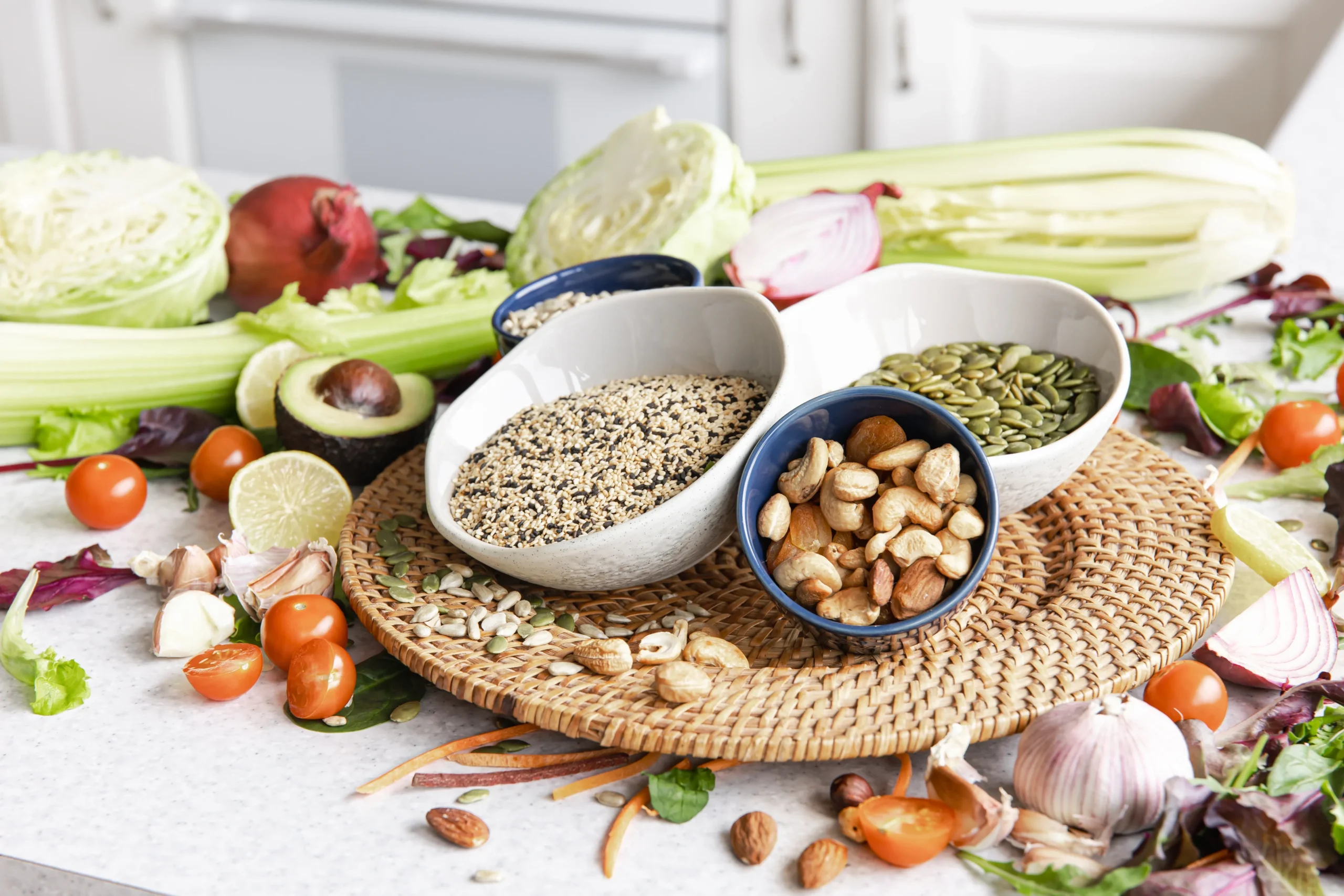
Sciatica pain can affect daily life in many ways — from lower back discomfort and leg pain to tingling, numbness, and even difficulty in sitting or walking comfortably. While treatment options like physiotherapy, medication, and lifestyle changes are essential, many people overlook one powerful factor: diet.
The right foods for sciatica may help reduce inflammation, support nerve health, and improve recovery naturally. On the other hand, certain unhealthy foods may worsen inflammation and increase pain.
In this complete guide, we’ll explore the 10 best foods for sciatica relief, foods to avoid, and practical diet tips that may support faster recovery from sciatic nerve pain.
Table of Contents
How Does Diet Influence Sciatica?
Sciatica is nerve pain caused by compression of the sciatic nerve — producing shooting pain, numbness, and weakness from the lower back down the leg. While the structural cause needs clinical treatment, what you eat plays a real supporting role in how fast you recover.
Diet helps in two ways: certain foods reduce inflammation around the compressed nerve, easing pain — and key nutrients like B vitamins, magnesium, and antioxidants help the nerve repair itself between treatment sessions.
The Link Between Sciatica and Diet
Inflammation is the key connection between food and sciatic nerve pain. When a disc herniates or presses on a nerve, the surrounding tissues become inflamed — and this inflammation makes the pain significantly worse.
Certain foods increase this inflammation — processed food, refined sugar, trans fats, and alcohol all raise inflammatory markers like CRP that worsen nerve pain and slow healing. On the other side, foods rich in omega-3 fatty acids, antioxidants, and phytonutrients have been shown in research to reduce systemic inflammation and directly support sciatic nerve recovery.
10 Best Foods for Sciatica and Back Pain
1. Fatty Fish — Salmon, Mackerel, Sardines
Fatty fish are among the most powerful and strongest anti-inflammatory foods you can eat. Salmon, mackerel, and sardines are rich in EPA and DHA — omega-3 fatty acids that reduce the inflammation directly associated with nerve root pain. Eating fatty fish 2-3 times per week provides a measurable anti-inflammatory benefit.
How to include it: Grilled salmon twice a week, canned sardines with salad, or mackerel on whole-grain toast.
2. Turmeric — The Natural Anti-Inflammatory
Turmeric contains curcumin — a well-researched natural compound that reduces key inflammatory markers linked to nerve pain and swelling. Studies show it works on the same inflammatory pathways that drive sciatic nerve irritation.
How to include it: Add to curries, soups, or warm milk. Always combine with black pepper — it increases curcumin absorption by up to 2,000%.
3. Leafy Green Vegetables — Spinach, Kale, Broccoli
Dark leafy greens are loaded with magnesium, Vitamin K, and antioxidants that support nerve function and reduce inflammation. Magnesium is especially important — it regulates nerve signalling and reduces the pain sensitivity that makes sciatica feel worse.
How to include it: Daily salads, stir-fries, smoothies, or as a simple side vegetable with meals.
4. Ginger — Root That Fights Nerve Pain
Ginger contains natural compounds that reduce inflammation in a similar way to NSAIDs — without the stomach side effects. It is particularly useful during sciatica flare-ups by reducing prostaglandins that drive nerve pain.
How to include it: Fresh ginger tea, grated into cooking, blended into smoothies, or taken as a supplement with your doctor’s guidance.
5. Berries — Blueberries, Strawberries, Cherries
Berries are rich in anthocyanins — antioxidants that reduce oxidative stress and lower inflammatory compounds in the body. Tart cherries in particular have been studied for their ability to reduce nerve and muscle pain when consumed regularly.
How to include it: A daily handful of fresh or frozen berries, tart cherry juice, or mixed into yoghurt.
6. Walnuts and Flaxseeds — Plant-Based Omega-3s
For those who don’t eat fish, walnuts and flaxseeds are the best plant-based omega-3 sources. They also contain Vitamin E and polyphenols that reduce nerve inflammation and protect the myelin sheath — the coating that keeps nerve fibres healthy.
How to include it: A small handful of walnuts daily, or ground flaxseed added to smoothies, yoghurt, or porridge.
7. Eggs — Rich in B Vitamins for Nerve Repair
Eggs are an excellent source of B12 and B6 — vitamins are crucial for nerve repair and maintaining the protective myelin sheath around the sciatic nerve. Low B12 is directly linked to slower nerve recovery and increased nerve pain.
How to include it: 1-2 eggs daily — boiled, scrambled, or poached. Pair with leafy greens for a nerve-supporting meal.
8. Olive Oil — The Anti-Inflammatory Fat
Extra virgin olive oil contains oleocanthal — a natural compound that reduces inflammation similarly to ibuprofen. It also contains Vitamin E and polyphenols that protect nerve tissue from damage during recovery.
How to include it: Use as your primary cooking oil and salad dressing — avoid very high heat to preserve the active compounds.
9. Garlic — Natural Pain and Inflammation Reducer
Garlic contains allicin — a natural compound with strong anti-inflammatory properties that may directly reduce nerve pain intensity. It also improves circulation to tissues around the compressed nerve, supporting healing.
How to include it: 1-2 cloves of raw or lightly cooked garlic daily in cooking, soups, or salad dressings.
10. Whole Grains — Stabilise Blood Sugar and Reduce Inflammation
High blood sugar increases inflammatory compounds in the body that worsen nerve pain. Switching to whole grains — oats, brown rice, quinoa — stabilises blood sugar and reduces this effect. They are also rich in B vitamins and magnesium, which directly support nerve
function.
How to include it: Replace white bread and white rice with oats, brown rice, quinoa, and whole-grain bread.
Best Fruits for Sciatica Pain Relief
Eating nutrient-rich fruits such as cherries, oranges, amla, pineapple, apples, and pomegranate may support overall health and help the body manage inflammation associated with sciatica.
- Cherries (tart cherries — already mentioned, reinforce)
- Citrus fruits (oranges, amla/Indian gooseberry) — Vitamin C supports collagen and disc tissue health
- Pineapple — contains bromelain, a natural anti-inflammatory enzyme
- Apples and pomegranate — polyphenols, antioxidant support
Foods to Avoid for Sciatica Pain Relief
While adding anti-inflammatory foods, equally important is reducing foods that drive inflammation and worsen sciatic nerve pain:
- Refined sugar and sugary drinks — increase inflammatory cytokines and worsen nerve pain sensitivity
- Processed and fried foods — trans fats drive systemic inflammation that amplifies nerve pain
- White bread, white rice, and refined carbohydrates — cause blood sugar spikes that increase AGE production
- Excess alcohol — depletes B vitamins, important for nerve function, and disrupts sleep needed for healing
- Red and processed meats — high in arachidonic acid, which the body converts into inflammatory compounds
- Artificial additives and preservatives — some food additives have been linked to increased inflammatory responses in sensitive individuals
Diet Plan for Sciatica Pain Relief — What Experts Recommend
Building anti-inflammatory eating into daily life does not require a complete diet overhaul. These simple, practical changes produce the most consistent benefit:
Breakfast: Oatmeal with berries and ground flaxseed, or 2 boiled eggs with spinach
Lunch: Salad with leafy greens, olive oil dressing, walnuts, and grilled salmon or sardines
Dinner: Turmeric and ginger curry with brown rice and steamed broccoli
Snacks: A handful of walnuts, fresh fruit, or turmeric golden milk
Hydration: 2.5-3 litres of water daily — dehydrated spinal discs are more vulnerable to the compression that causes sciatica
What to Drink for Sciatica Pain Relief
Choosing healthy drinks such as water, turmeric milk, ginger tea, green tea, tart cherry juice, and bone broth may support hydration, provide antioxidants, and complement a balanced diet while managing sciatica symptoms.
- Water (hydration and disc health — already mentioned in the daily plan, cross-reference it)
- Turmeric golden milk
- Ginger tea
- Green tea (antioxidants/catechins)
- Tart cherry juice (reinforces fruit section — internal topical link)
- Bone broth (optional, if aligned with clinical accuracy — collagen/amino acids)
Diet Tips for Sciatic Nerve Injury Patients
Beyond the specific foods, these broader dietary habits consistently support faster sciatica recovery:
- Eat consistently — skipping meals creates blood sugar fluctuations that increase inflammatory responses
- Prioritise protein — adequate protein intake supports the tissue repair happening around the compressed nerve
- Consider a Vitamin D check — Vitamin D deficiency is strongly associated with chronic pain conditions, including sciatica
- Reduce ultra-processed food gradually — sudden dietary changes are harder to sustain; reduce processed foods by one meal per day to begin
- Never use diet as a replacement for medical treatment — anti-inflammatory eating supports clinical treatment; it does not replace physiotherapy, medications, or specialist evaluation
How Your Diet Can Play a Role in Preventing Sciatica
For patients who have recovered from sciatica or want to prevent recurrence, maintaining an anti-inflammatory diet long-term reduces the chronic low-grade inflammation that accelerates disc degeneration — one of the primary structural causes of sciatic nerve compression.
Maintaining a healthy weight through diet directly reduces pressure at the lumbar levels — lowering the mechanical load that drives disc herniation and subsequent sciatica. Every kilogram of excess body weight adds approximately 3-4 kilograms of compressive force on the lumbar discs.
Frequently Asked Questions
1. What fixes sciatica quickly?
Targeted physiotherapy, anti-inflammatory medication, stretching, and the right foods for sciatica may help reduce nerve pain faster. Severe cases may require injections or medical treatment.
2. What drinks help sciatica?
Turmeric milk, ginger tea, green tea, and plenty of water may help reduce inflammation and support recovery alongside healthy foods for sciatica.
3. What not to eat with sciatica?
Avoid refined sugar, fried and processed foods, white bread, excess alcohol, and red or processed meats — all increase inflammation and worsen nerve pain.
4. Can I drink milk with sciatica?
Yes — milk provides calcium and Vitamin D for bone and nerve health. Turmeric golden milk is especially good, combining dairy nutrition with curcumin’s anti-inflammatory benefits.
5. What foods can heal sciatica?
Anti-inflammatory foods for sciatica, like fatty fish, berries, leafy greens, turmeric, nuts, and olive oil, may help support nerve recovery and reduce inflammation.
6. What is the best fruit for sciatica pain?
Supports the fruit-query gap directly; short answer referencing tart cherries, citrus, and pineapple.
7. What is the best diet for sciatica pain relief?
Reinforces the diet-phrasing query with a concise summary answer (anti-inflammatory foods + hydration + avoid processed foods), even though the body now covers it — FAQ schema often ranks independently in featured snippets.
8. What is the best fruit for sciatica pain?
Supports the fruit-query gap directly; short answer referencing tart cherries, citrus, and pineapple.
9. What is the best diet for sciatica pain relief?
Reinforces the diet-phrasing query with a concise summary answer (anti-inflammatory foods + hydration + avoid processed foods), even though the body now covers it — FAQ schema often ranks independently in featured snippets.
Conclusion
An anti-inflammatory diet is one of the most practical, cost-effective ways to support faster sciatica recovery. Adding healthy foods for sciatica, like fatty fish, berries, turmeric, and leafy greens, while reducing processed foods, may help lower inflammation and support nerve health naturally.
Diet supports recovery — but it works alongside medical treatment, not instead of it. Dr. Amit Shridhar — Best Spine Surgeon in Delhi — provides expert sciatica diagnosis and comprehensive treatment across Delhi NCR, helping patients recover faster through accurate diagnosis, targeted treatment, and practical lifestyle guidance.