Spinal Muscular Atrophy (SMA) is a neuromuscular disorder that is genetic which gradually weakens muscles and reduces mobility. In recent years stem cell therapy is emerging as a promising option for SMA treatment. While conventional therapies concentrate on the management of symptoms, new strategies for regenerative therapy focus on the root causes of degeneration in the nerve.
In the middle of Delhi NCR, Sant Paramanand Hospital Delhi, home of the Dr. Amit Shridhar, one of the top spine specialists in Delhi–is the pioneering center for multidisciplinary treatment which includes cutting-edge stem cell-based therapies for neuromuscular and spinal disorders. Families and patients looking for the top spine-focused hospital in Delhi typically choose this facility due to its high-quality, expert knowledge and a patient-centric approach.
Understanding Spinal Muscular Atrophy (SMA)
Spinal Muscular Atrophy is defined by the loss of motor neurons, which are nerve cells within the spinal cord that are responsible for the control of muscles. When these neurons weaken muscles weaken, which leads to a progressive disability.
SMA is generally divided into various types based on the time of the onset and the severity of the condition:
| SMA Type | Typical Age of Onset | Severity Level | Functional Impact |
| Type I | Birth 6 months – Birth | Severe | Inability to sit up independently |
| Type II | 6-18 months | Moderate-Severe | Can sit, but not stand. |
| Type III | After 18 months | Mild | Will walk but will be unable to walk for a while. |
| Type IV | Adult beginning | Mild | Mild muscle weakness |
Although there isn’t a solution that is universally effective, prompt detection and treatment significantly improves the living quality.
Spine Disorders and Their Impact
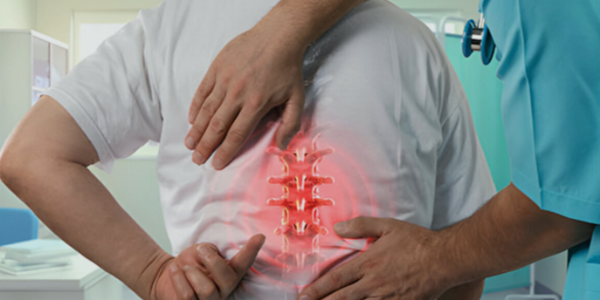
Although SMA is considered to be a neuromuscular disorder that affects the health of the spine because weak muscles can cause spinal imbalance and stability. A progressive muscle loss can lead to complications like:
- Scoliosis (lateral curvature of the spine)
- Kyphosis (hunchback posture)
- A reduced respiratory function as a result of the weakening of the chest muscles
These issues cause the discomfort, limitations in mobility and decreased independence. This is the reason why comprehensive care at the top spinal treatment center in Delhi is essential.
What Is Stem Cell Therapy?
Stem cells are special cells capable of self-renewal as well as differentiation into a variety of kinds of cells. In the field of regenerative medical practice, stem cells are utilized in the repair of or replacement for damaged tissues.
The treatment of neuromuscular stem cells for diseases is based on:
- The harvesting of stem cells (e.g. from bone marrow, adipose tissue or even from)
- Process in a safe setting
- Injecting them into targeted regions via injections or infusions
Within the framework of SMA In the context of SMA, the aim is to enhance motor neuron functions, lessen inflammation, and encourage the process of neural regeneration.
The Science Behind Stem Cell Therapy for SMA
Research on stem cells have revealed numerous ways in which these cells may aid in the recovery of muscles in the brain:
1. Neuroprotection
Stem cells produce the growth factor and other cytokines to help protect motor neurons that are already in use from degeneration that could occur in the future.
2. Immunomodulation
SMA development often results in the release of inflammatory signals that increase neuronal damage. Stem cells can in reducing inflammation.
3. Tissue Regeneration
Although full-time motor neuron regeneration remains a major challenge stem cells may help support the existence of existing cells and assist in rebuilding the supportive tissues around them.
4. Enhancing Functional Recovery
By paracrine signaling (cell-to-cell communication) stem cells could enhance the local environment to enhance the neuromuscular connection’s efficiency.
Current Evidence and Research Insights
The research into stem cells in clinical treatment for SMA is currently ongoing. A majority of research studies focus on safety and the feasibility of the treatment and early findings suggest that:
- The use of stem cells is typically safe when they are administered under medical supervision.
- Some patients show slight improvements in their muscle strength as well as motor performance scores.
- The long-term effects and the most effective protocols are still in the process of being researched.
At present, the procedure is viewed as experimental in a number of regions. However, in centers such as Sant Paramanand Hospital, Delhi stem cell treatments are available within ethically controlled frameworks, often in conjunction with collaborations with clinicians or programs for compassionate care.
Personalized Care at Sant Paramanand Hospital, Delhi
In Sant Paramanand Hospital, Delhi, SMA patients benefit from an integrated treatment approach:
Multidisciplinary Evaluation
Under the direction by the Dr. Amit Shridhar, specialists in neurology as well as genetics, physiotherapy and rehabilitation collaborate to design specific treatment strategies.
Regular Monitoring
The motor function assessment scale, the imaging study and respiratory assessments monitor changes through time.
Adjunct Therapies
Stem cell therapy is often combined with other supportive treatments, for example:
- Therapy to keep muscles functioning
- Orthotic devices that support posture
- A nutritional counseling session to increase the metabolic health of patients
This holistic approach is why the institute is regarded by many as the top spine clinic in Delhi.
Who can benefit of Stem Cell Therapy?
Stem cell therapy isn’t necessarily appropriate to the majority of SMA patients. Most suitable candidates are:
- Medically stable and free of active infections
- Aged less than 20 and suffering from early stage disease
- Cleared by genetic and neurological tests
Patients suffering from structural deformities that are severe or respiratory impairment may require stabilization prior to evaluating stem cell therapies.
Real-World Outcomes and Patient Experiences
Here’s a summary of the outcomes that have been reported worldwide in stem cell trials and case studies:
| Outcome Measure | Observed Trend | Clinical Significance |
| Muscle Strength | Some patients show improvement, but only a slight improvement. | May be a catalyst for daily activities |
| Motor Function Scores | Stabilization in certain cases | Slower progress |
| Quality of Life | Reported better engagement | The psychological uplift |
| Adverse Events | A few times, there is a slight discomfort | There were no major problems |
While the data is still being uncovered the trends are a good reason to continue study and careful selection of patients.
Myths and. facts: Stem Cell Therapy in SMA
Myth Stem cell therapy is an absolute cure.
The truth is that it’s an experimental method that could have advantages. Results vary from person to person.
Myth: Children are all that are able to gain.
Fact: Patients of varying age groups may be eligible dependent on their health condition.
Myth: It’s a way to replace the standard of treatment.
The fact is that it complements traditional treatment and rehabilitation.
Why Choosing the Right Hospital Matters for Spine Health
The choice of the right center can make the difference. Here’s why patients select Sant Paramanand Hospital:
Experienced Specialists
Specialists like Dr. Amit Shridhar, recognized as one of the top spine specialists in Delhi have years of experience and knowledge in the treatment of spinal and neuromuscular conditions.
Cutting-Edge Therapies
The hospital incorporates evidence-based regenerative methods within safe protocols for clinical care.
Patient-Centric Support
From counseling to follow-ups for the long-term Families and patients get a comprehensive treatment plan.
Accredited Facility & Protocols
All procedures are conducted in accordance with ethical standards, with the informed consent of the patient and safety monitoring.
Preparing for Stem Cell Therapy: What Patients Should Know
If you or someone close to you are thinking about stem cell therapy to treat SMA Here are the essential steps:
- See a specialist Start by having an extensive examination by a neurologist and spine specialist.
- Genetic Testing Check for SMA type and status genetic.
- Baseline Assessments: Record the function of your motor, your respiratory capacity and the alignment of the spine.
- Discuss benefits and risks Make sure you are aware of the possible consequences.
- Plan Rehabilitation Plan Physical Therapy: Coordinate physical therapy prior to or after therapy.
Conclusion
Stem cell therapy can be described as an exciting development in the treatment of Spinal Muscular Atrophy, with the potential to safeguard nerve cells, control inflammation, and improve the functional endurance. As research continues to establish the most effective protocols, institutions such as Sant Paramanand Hospital in Delhi with experts like Dr. Amit Shridhar, are leading the way in the latest treatments for people in Delhi NCR.
For those looking for the most effective spine rehabilitation facility within Delhi The combination of highly skilled doctors, customized care plans as well as an emphasis on the highest standards of safety and scientific integrity make an impact.