Spinal tuberculosis (TB), also known as Pott’s spine, is a serious form of tuberculosis that affects the vertebrae of the spine. If not treated on time, it can lead to severe pain, spinal deformity, and even neurological complications. Fortunately, with early diagnosis and proper medical care, spinal tuberculosis can be effectively treated. If you are searching for spinal tuberculosis treatment in Rohini Delhi, several advanced healthcare facilities and specialists provide modern diagnostic and treatment options to help patients recover safely and quickly.
In this article, we will explore the causes, symptoms, diagnosis, and treatment options available for spinal tuberculosis, especially for patients looking for reliable care in Rohini, Delhi.
Understanding Spinal Tuberculosis
Spinal tuberculosis is a type of extrapulmonary tuberculosis that primarily affects the bones of the spine. It occurs when the bacteria Mycobacterium tuberculosis spread from the lungs to the spinal column through the bloodstream. The infection usually affects the lower thoracic and upper lumbar vertebrae.
The condition develops slowly, which means symptoms may not appear immediately. Over time, the infection can damage spinal bones and discs, leading to instability or compression of nearby nerves.
Early detection and timely spinal tuberculosis treatment in Rohini Delhi can prevent severe complications and help patients regain normal mobility.
Common Symptoms of Spinal Tuberculosis
Recognizing the early signs of spinal tuberculosis is important for proper diagnosis and treatment. Some common symptoms include:
- Persistent back pain that does not improve with rest
- Stiffness in the spine
- Fever and night sweats
- Unexplained weight loss
- Fatigue and weakness
- Swelling or tenderness around the spine
- Numbness or weakness in the legs in advanced stages
In severe cases, spinal TB can lead to nerve compression, causing difficulty walking or even paralysis. If you experience chronic back pain along with systemic symptoms like fever or weight loss, it is important to consult a specialist for spinal tuberculosis treatment in Rohini Delhi as soon as possible.
Causes and Risk Factors
Spinal tuberculosis occurs when TB bacteria spread from an infected organ, typically the lungs, to the spine. Several factors increase the risk of developing this condition, including:
- Weak immune system
- Previous tuberculosis infection
- Malnutrition
- Chronic diseases such as diabetes
- HIV infection
- Poor living conditions or overcrowded environments
Early medical evaluation is essential for individuals with these risk factors who develop persistent back pain.
Diagnosis of Spinal Tuberculosis
Accurate diagnosis is crucial for effective treatment. Doctors usually perform a combination of clinical evaluation, imaging tests, and laboratory investigations to confirm spinal tuberculosis.
Common diagnostic methods include:
1. Physical Examination
A doctor evaluates spinal tenderness, range of motion, and neurological symptoms.
2. Imaging Tests
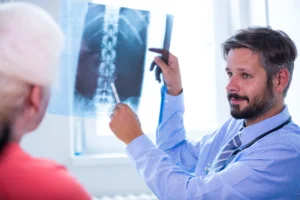
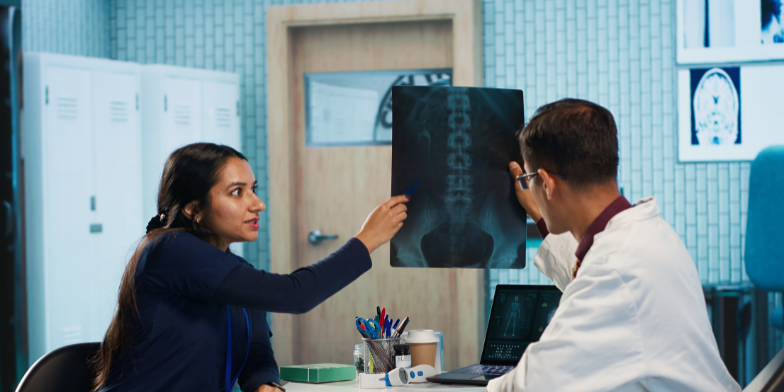
Modern imaging techniques help identify infection and damage to the vertebrae.
- X-rays
- MRI scans
- CT scans
MRI is particularly useful in detecting early spinal infections and nerve compression.
3. Laboratory Tests
Blood tests and TB screening tests help detect infection.
4. Biopsy
In some cases, a small tissue sample from the affected vertebra is collected to confirm the presence of TB bacteria.
Hospitals offering spinal tuberculosis treatment in Rohini Delhi typically use advanced imaging and laboratory facilities to ensure accurate diagnosis.
Treatment Options for Spinal Tuberculosis
The primary goal of treatment is to eliminate infection, relieve pain, and prevent spinal deformity or neurological damage. Treatment usually involves a combination of medication, supportive care, and in some cases surgery.
1. Anti-Tuberculosis Medication
The first line of treatment for spinal TB is anti-tuberculosis drug therapy. Patients are usually prescribed a combination of medications for a period of 6 to 12 months.
These medicines help kill the bacteria and stop the infection from spreading. It is extremely important for patients to complete the full course of medication to prevent relapse or drug resistance.
2. Pain Management and Supportive Care
Patients may also receive supportive treatments such as:
- Pain relief medications
- Anti-inflammatory drugs
- Nutritional support
- Spinal braces to stabilize the spine
These treatments help reduce pain and improve the patient’s comfort during recovery.
3. Physiotherapy and Rehabilitation
Physiotherapy plays an important role in restoring strength and mobility after treatment. Exercises designed by trained therapists can help improve posture, flexibility, and muscle strength.
Many centers offering spinal tuberculosis treatment in Rohini Delhi include rehabilitation programs to support long-term recovery.
4. Surgical Treatment
Surgery may be recommended in certain cases, such as:
- Severe spinal deformity
- Nerve compression
- Spinal instability
- Lack of improvement with medication
Surgical procedures may involve removing infected tissue, decompressing nerves, and stabilizing the spine using implants or bone grafts.
Modern minimally invasive spine surgery techniques allow faster recovery and reduced complications for patients.
Benefits of Early Treatment
Early diagnosis and treatment significantly improve the chances of full recovery. Some benefits of timely spinal tuberculosis treatment in Rohini Delhi include:
- Prevention of spinal deformity
- Reduced risk of nerve damage
- Faster pain relief
- Improved mobility and quality of life
- Lower chances of long-term complications
Patients who start treatment early often recover without needing major surgery.
Choosing the Right Specialist in Rohini Delhi
Rohini has become a growing healthcare hub in Delhi, with several experienced spine specialists and advanced hospitals. When selecting a clinic or hospital for spinal TB treatment, consider the following factors:
- Experienced spine surgeons and TB specialists
- Availability of advanced diagnostic imaging
- Comprehensive treatment options
- Physiotherapy and rehabilitation facilities
- Good patient reviews and reputation
Consulting a qualified spine specialist ensures accurate diagnosis and the most appropriate treatment plan for your condition.
Prevention Tips for Spinal Tuberculosis
Although tuberculosis cannot always be prevented, certain measures can reduce the risk of infection:
- Maintain good hygiene and nutrition
- Seek early treatment for lung TB
- Follow vaccination recommendations
- Avoid overcrowded environments where TB spreads easily
- Strengthen the immune system with a healthy lifestyle
Early screening and awareness are essential for preventing the spread of tuberculosis.
Conclusion
Spinal tuberculosis is a serious condition that requires prompt medical attention. With modern diagnostic tools and advanced treatment methods, most patients can recover successfully without permanent complications. If you are experiencing persistent back pain or symptoms related to spinal infection, it is important to consult a specialist immediately.
For patients searching for spinal tuberculosis treatment in Rohini Delhi, several healthcare centers offer comprehensive care, including accurate diagnosis, effective medication therapy, surgical options when needed, and rehabilitation support. Early intervention and proper medical management can help restore spinal health and improve overall quality of life.