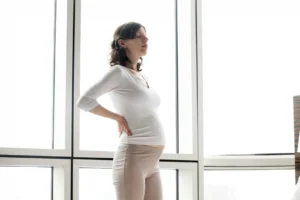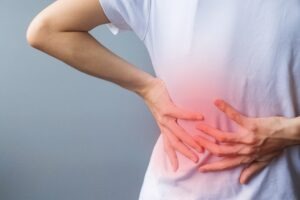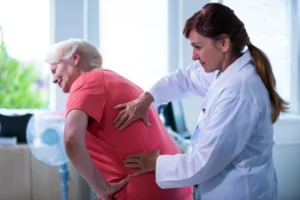
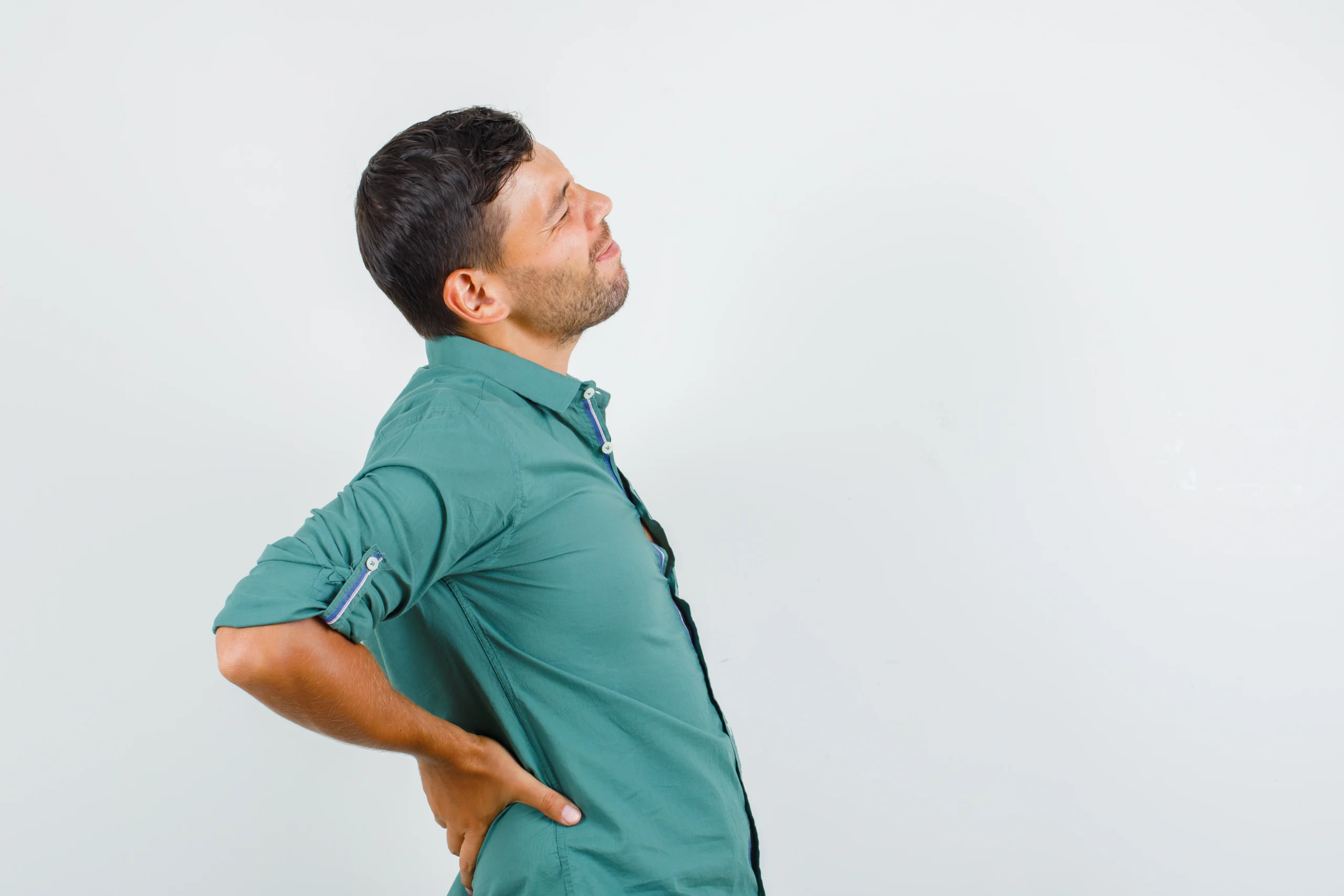
Experiencing lower back pain on the left side can be uncomfortable and worrying, especially when you are unsure what is causing it. The pain may feel dull, sharp, aching, or burning and may stay in one area or spread to the buttock, hip, groin, or leg.
In many cases, lower back pain on the left side is related to muscles, joints, ligaments, or spinal structures. However, it can sometimes be associated with other conditions, including kidney or abdominal problems.
The location of the pain alone cannot determine the exact cause. Symptoms such as numbness, leg pain, fever, urinary problems, or weakness can help indicate whether medical attention is needed.
This complete guide explains the common causes of left-side lower back pain, relief options, warning signs, and when to see a doctor.
Understanding Lower Back Pain on the Left Side
The lower back is a complex anatomical region — housing the lumbar spine, multiple muscle groups, kidneys, major blood vessels, portions of the digestive system, and, in women, the reproductive organs. Any of these structures can produce pain perceived as lower back pain on the left side.
Left-sided lower back pain is particularly common because of specific asymmetries — the descending colon, left kidney, left ureter, left ovary, and the tendency for most people to have dominant right-side muscle use that creates compensatory strain on the left paraspinal muscles.
Identifying the true source of left-side lower back pain requires considering both the character of the pain and any associated symptoms — because pain that is genuinely spinal in origin behaves very differently from pain produced by an internal organ.
What Does It Mean When Your Lower Left Back Hurts?
Left-sided lower back pain can mean several different things depending on its character, onset, and associated symptoms:
- Mechanical pain (improves or worsens with specific movements or positions) — suggests a spinal or muscular origin
- Constant pain that does not change with movement — raises the possibility of an organ source (kidney, colon, reproductive)
- Pain accompanied by urinary symptoms — strongly suggests a left kidney or urinary tract cause
- Pain in women that correlates with the menstrual cycle — suggests a gynaecological cause
- Pain that shoots down the left leg — suggests nerve root compression from a lumbar disc or stenosis
Understanding which of these patterns fits your pain is the most crucial diagnostic step — and is what a specialist will assess in the first consultation.
5 Common Causes of Lower Back Pain on the Left Side
Cause 1 — Lumbar Muscle Strain and Left Paraspinal Spasm
The most common cause of lower back pain on the left side is muscle strain — overloading or injuring the paraspinal muscles alongside the lumbar spine. It can occur from lifting, an awkward twist, prolonged one-sided posture, or poor sleeping position.
Characteristic symptoms:
- Aching or sharp pain in the lower left back
- Worsens with movement and twisting — improves with rest
- Tenderness on palpating the left lumbar muscles
- No leg pain or neurological symptoms
- Usually resolves within 1-2 weeks with appropriate care
Most right-handed people overuse their right side in daily tasks — placing disproportionate load on the left paraspinal muscles over time.
Cause 2 — Lumbar Disc Herniation at L3-L5 (Left Side)
A herniated or bulging disc compressing the left-sided nerve root produces left lower back pain that often radiates down the left leg as sciatica.
Characteristic symptoms:
- Deep aching left lower back pain
- Shooting pain down the left buttock, thigh, and into the foot
- Numbness, tingling, or weakness in the left leg
- Worsens with sitting or bending forward; improves in certain lying positions
Left-sided disc herniation with neurological symptoms — leg weakness or foot drop — requires prompt specialist evaluation to prevent permanent nerve damage.
Cause 3 — Left Kidney Stone or Kidney Infection
Kidney stone pain radiates throughout the left flank and lower back as the stone descends the left ureter. A kidney infection (pyelonephritis) produces more constant left back pain with systemic symptoms.
Kidney stone symptoms:
- Severe, colicky left flank and lower back pain in waves
- Pain radiating toward the left groin
- Blood in urine (haematuria), nausea, and vomiting
Kidney infection symptoms:
- Constant left back and flank pain
- Fever, chills, burning or frequent urination
- Tenderness on tapping the left flank (costovertebral angle)
Key distinction: Kidney-related pain does not change with spinal movement or position — the clearest differentiator from mechanical back pain.
Cause 4 — Lumbar Spinal Stenosis or Facet Joint Arthritis
Spinal canal narrowing (stenosis) and left-sided facet joint degeneration both produce left lower back pain and stiffness — particularly in middle-aged and older adults.
Stenosis symptoms:
- Left back and leg pain worsening with prolonged walking or standing
- Relief with sitting or leaning forward (“shopping trolley sign”)
- Leg heaviness and cramping on walking
Facet joint arthritis symptoms:
- Localised left lower back pain and morning stiffness
- Worsens with spinal extension; improves with flexion
- Does not typically radiate down the leg
Both are confirmed on MRI or CT scan.
Cause 5 — Sacroiliac Joint Dysfunction (Left SI Joint)
The left sacroiliac joint — where the sacrum meets the left ilium — is a frequently overlooked cause of lower back pain on the left side, producing pain that can radiate into the left buttock and upper thigh.
Characteristic symptoms:
- Pain directly over the left SI joint, just medial to the posterior superior iliac spine
- Worsens with single-leg standing, climbing stairs, and rolling over in bed
- Provoked by specific SI joint stress tests
- Often mistaken for lumbar disc herniation or piriformis syndrome
Lower Left Back Pain in Females — Specific Causes
Women have additional gynaecological causes of lower left back pain in females that must be considered alongside the structural causes above:
Endometriosis: Endometrial tissue implanting on left pelvic structures produces cyclical left lower back and pelvic pain — worse during menstruation. Involvement of the left uterosacral ligament is a particularly common source.
Left ovarian cyst: A cyst on the left ovary causes a dull aching left lower back and lower abdominal pain — with more acute, severe pain if the cyst ruptures or twists.
Ectopic pregnancy: A pregnancy implanted in the left fallopian tube produces sudden, severe left lower back and abdominal pain — a gynaecological emergency requiring immediate medical attention.
Menstrual-related back pain: Prostaglandin-driven uterine contractions during menstruation produce lower back pain that is often predominantly left-sided in women with left-tilted uterus positioning or left-sided pelvic floor tension.
Lower Left Back Pain in Males — Specific Causes
Men have specific causes of left lower back pain beyond structural spine conditions:
Left kidney stone: Kidney stones are statistically more common in men — and left-sided stones produce left flank and lower back pain as described above. Recurrent kidney stones in men frequently have a dietary or metabolic cause that can be identified and addressed.
Prostatitis: Inflammation or infection of the prostate gland can produce lower back and pelvic pain — including left-sided discomfort — alongside urinary symptoms and perineal pain.
Occupational strain: Male-dominated physical roles — construction, driving, logistics — produce asymmetric loading patterns that disproportionately affect the left lower back in many right-handed workers.
Best Ways to Get Relief for Lower Left Back Pain
These evidence-based strategies provide meaningful relief for most mechanical causes of lower back pain on the left side:
1. Heat therapy:
A warm compress or heat pad applied to the left lower back for 15-20 minutes relaxes tight paraspinal muscles and reduces muscle spasm — the most effective immediate relief for muscular left lower back pain. Use heat after the first 48-72 hours; use ice during the acute phase of strain.
2. Gentle movement — not bed rest:
Prolonged bed rest consistently worsens mechanical lower back pain. Gentle walking, cat-cow stretches, and knee-to-chest stretches maintain lumbar mobility without compressive loading.
3. NSAIDs and analgesics:
Short-term ibuprofen or naproxen reduces both pain and the associated inflammatory response in muscle strain and disc-related back pain. Avoid long-term use without medical guidance.
4. Targeted stretching for left paraspinal and hip flexor:
The left piriformis stretch (figure-four stretch), left hip flexor lunge stretch, and left-side child’s pose collectively address the most common contributors to left-sided lower back tightness.
5. Sleeping position adjustment:
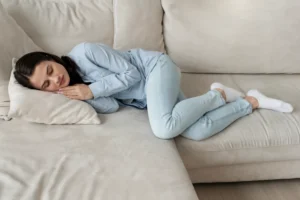
Sleeping on your right side with a pillow between the knees takes compressive load off the left lumbar structures. Sleeping on your back with a pillow under the knees flattens the lumbar curve and reduces overnight paraspinal tension.
When Should You Worry About Left Side Back Pain?
Most left-sided lower back pain is mechanical and resolves within 2-4 weeks. However, these symptoms require prompt medical evaluation:
See a doctor within 48-72 hours if:
- Left back pain accompanied by fever — possible kidney infection
- Blood in urine alongside left back pain — kidney stone or urinary tract cause
- Left lower abdominal pain with left back pain — possible ovarian, kidney, or bowel cause
- Pain that has not improved even after 2-3 weeks of appropriate self-care
- Neurological symptoms in the left leg — tingling, numbness, weakness
Seek emergency care immediately if:
- Sudden severe left back pain in a pregnant woman — possible ectopic emergency
- Left back pain with loss of bladder or bowel control — cauda equina syndrome
- Severe persistent pain unresponsive to any position or analgesia — possible organ emergency
- Left back pain in a known cancer patient — possible bone metastasis
How to Treat Left-Side Lower Back Pain
Conservative (first-line) treatment:
- Physiotherapy — lumbar stabilisation exercises, manual therapy, and McKenzie-based directional preference assessment
- NSAIDs and muscle relaxants for acute pain management
- Epidural steroid injections for nerve root compression from disc herniation
- SI joint injections for confirmed left sacroiliac joint dysfunction
- Treatment of underlying organ cause — antibiotics for kidney infection, urological management for kidney stones, gynaecological management for endometriosis or ovarian cysts
Surgical treatment (when conservative management fails):
- Microdiscectomy — for left-sided disc herniation with constant neurological symptoms
- Decompression surgery — for lumbar spinal stenosis producing significant functional limitation
- SI joint fusion — for refractory left SI joint dysfunction unresponsive to injections
How to Prevent Left-Side Lower Back Pain
- Strengthen the core and lumbar stabilisers symmetrically — a strong transversus abdominis and lumbar multifidus protect the left lower back from strain
- Address asymmetric movement patterns — right-hand-dominant tasks creating chronic left paraspinal overload should be identified and corrected
- Optimise workstation ergonomics — lumbar support, screen height, and chair height all affect left lower back load during prolonged sitting
- Stay hydrated — adequate fluid intake significantly reduces kidney stone formation and recurrence
- Maintain healthy body weight — every 10kg of excess weight adds measurable compressive load to lumbar discs and facet joints
Frequently Asked Questions
1. How can I tell if my lower left back pain is kidney-related?
Kidney-related pain often does not change significantly with movement or position. It may occur with blood in the urine, painful or frequent urination, fever, nausea, or vomiting. A urine test or ultrasound can help identify a kidney-related cause.
2. When should I worry about left side lower back pain?
Seek medical attention if the pain occurs with fever, urinary symptoms, abdominal pain, unexplained weight loss, numbness, or weakness in the leg. You should also get evaluated if the pain is severe, persistent, or does not improve after several weeks.
3. Why does my lower back hurt on the left side only?
One-sided lower back pain may result from muscle strain, a herniated disc, nerve compression, or SI joint problems. In some cases, conditions affecting organs such as the kidney or ovary may also cause referred pain.
4. How do I know if my back pain is muscle or organ-related?
Muscle or spinal pain often changes with movement or position and may be tender when touched. Organ-related pain may remain constant and occur with other symptoms such as urinary, abdominal, or gynaecological problems.
5. What vitamin deficiency causes lower back pain?
Vitamin D deficiency can contribute to bone and muscle pain, including lower back discomfort. Vitamin B12 deficiency may also cause nerve-related symptoms in some people. Blood tests can help identify deficiencies.
Conclusion
Lower back pain on the left side is a symptom — not a diagnosis. Its cause may be as straightforward as a strained muscle or as significant as a kidney stone, ovarian cyst, or lumbar disc herniation with nerve compression. The right treatment is entirely dependent on the right diagnosis — which is why constant, worsening, or symptom-accompanied left lower back pain deserves specialist assessment rather than indefinite self-management.
Dr. Amit Shridhar — Best Spine Surgeon in Delhi — provides expert evaluation of left-sided lower back pain, accurately distinguishing spinal from non-spinal causes and delivering the full range of non-surgical and surgical treatment options for patients across Delhi NCR.