Sciatica pain can make even simple everyday activities difficult — from walking and sitting to sleeping comfortably. While many people recover with physiotherapy, medication, and lifestyle changes, some patients may eventually require sciatica surgery when pain becomes severe or nerve damage starts affecting mobility.
Understanding when surgery is necessary, the available surgical options, recovery timelines, and potential risks can help patients make informed healthcare decisions. In this complete guide, we explain everything you should know about sciatica surgery in simple and patient-friendly language.
Table of Contents
What Is Sciatica Surgery?
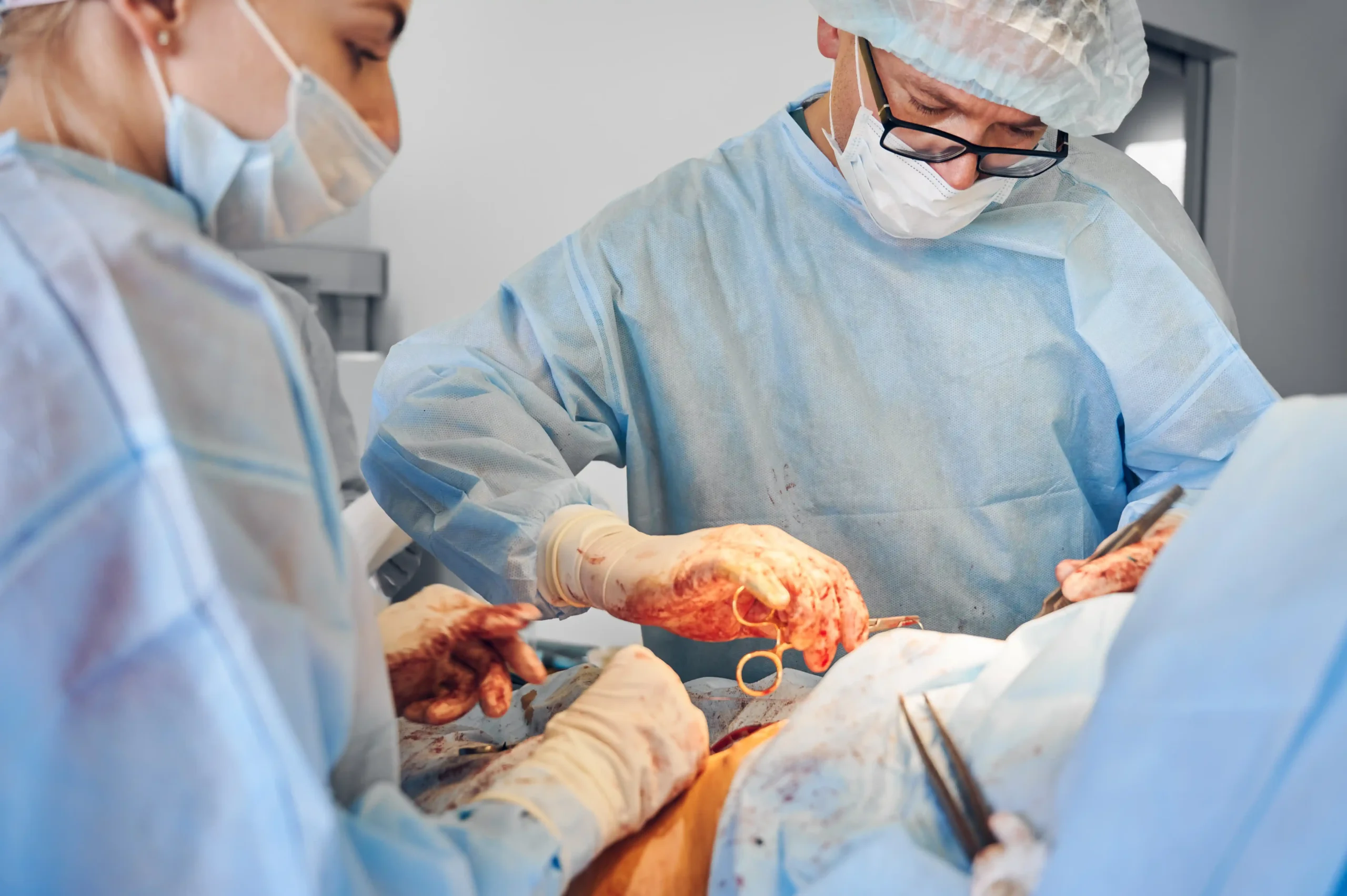
Sciatica surgery is a procedure that directly removes or addresses the physical cause of sciatic nerve compression in the spine — whether that is a herniated disc, bone spur, or narrowed spinal canal. Unlike medications and physiotherapy, which manage pain and support healing, surgery eliminates the structural problem that is pressing on the nerve.
The goal of sciatica surgery is nerve decompression — creating space for the compressed sciatic nerve so it can heal and function normally again. Advanced sciatica surgery is highly refined, and for the right patient, it offers some of the most reliable outcomes in all of spine medicine — with 90-95% of patients experiencing significant leg pain relief.
Common Symptoms of Sciatica
Before understanding when surgery is needed, it helps to be clear about what sciatica actually feels like:
- Sharp, burning, or shooting pain from the lower back down one leg
- Numbness or tingling in the foot or calf
- Leg weakness or difficulty walking normally
- Pain that worsens while sitting or coughing
Sciatica usually affects one leg more than the other. Severe symptoms in both legs may indicate a serious spinal condition requiring urgent medical attention.
Common Causes of Sciatica
Sciatica is a symptom, not a diagnosis. The underlying cause determines both how it should be treated and whether surgery becomes necessary:
- Lumbar disc herniation — responsible for approximately 90% of sciatica cases. The disc’s inner material pushes out and compresses the nerve root.
- Lumbar spinal stenosis — more common in adults over 50. Compresses the nerve roots inside the canal.
- Spondylolisthesis — one vertebra slips forward over another, narrowing the nerve exit zones.
- Piriformis syndrome — the piriformis muscle in the buttocks irritates the sciatic nerve. This is not a structural spinal problem and is treated differently.
- Bone spurs (osteophytes) — bony overgrowths at the vertebral margins that narrow the spaces nerve roots pass through.
Can Sciatica Heal Without Surgery?
Yes — and for the majority of patients, it does.
Approximately 80-90% of sciatica cases caused by disc herniation improve significantly without surgery within 6-12 weeks of correctly targeted conservative treatment. This includes:
- Targeted physiotherapy — neural mobilisation, McKenzie Method exercises, and core stabilisation
- Anti-inflammatory medications — NSAIDs and neuropathic agents
- Epidural steroid injections — delivering corticosteroid directly to the inflamed nerve root
- Activity modification — avoiding prolonged sitting and movements that worsen compression
How Long Should Sciatica Last Before Surgery Is Considered?
This is one of the most common questions patients ask — and the honest answer is: it depends on the seriousness of symptoms, not just the duration.
General guideline: Surgery is typically considered after 6-12 weeks of structured, supervised conservative treatment without meaningful improvement.
However, duration is not the only factor. Certain symptoms make surgery appropriate regardless of how long the sciatica has been present. If neurological function is deteriorating — weakness getting worse, foot drop developing — waiting 12 weeks may cause permanent nerve damage.
When Do You Need Sciatica Surgery?
Surgery for sciatica is indicated in specific clinical situations. These are the clear signs you may need surgery:
Absolute Surgical Emergencies — Do Not Wait
- Cauda Equina Syndrome: Loss of bladder or bowel control alongside sciatica symptoms is a spinal emergency. Surgery must happen within hours — not days. Permanent incontinence and paralysis are risks of delay.
- Rapidly progressive leg weakness: Foot drop developing over days or hours indicates active, ongoing nerve damage that cannot afford a 12-week conservative trial.
Standard Surgical Indications
- Sciatica lasting more than 6–12 weeks despite treatment
- Severe pain affecting sleep, work, or daily activities
- Measurable neurological deficit — weakness or numbness that is confirmed on examination
- MRI findings that clearly correlate with clinical symptoms and confirm the structural cause
Important: An MRI alone is not enough for surgery — symptoms and scan findings should match clearly.
Types of Sciatica Surgery
Modern sciatica surgery offers several approaches depending on the underlying cause and extent of nerve compression.
Microdiscectomy
Microdiscectomy is the gold standard surgical treatment for sciatica caused by lumbar disc herniation. Through a 15-20mm incision, the surgeon removes the herniated disc fragment pressing on the nerve root using high-powered surgical magnification.
- Success rate: 90-95% for leg pain relief
- Hospital stay: 1-2 nights
- Mobilisation: Walking begins the day of surgery
- Return to desk work: 2-4 weeks
- Best for: Disc herniation at L4-L5 or L5-S1 causing sciatica
Endoscopic Spine Surgery (PELD/PETD)
Endoscopic surgery is the most advanced minimally invasive approach — operating through a 7-8mm incision with a tiny camera and instruments. Real-time visualisation allows the surgeon to decompress the nerve with minimal surrounding tissue disruption.
- Same-day mobilisation in most patients
- Faster return to daily activities than microdiscectomy
- Available at specialist spine centres
Laminectomy
Laminectomy removes part of the lamina — the bony arch of the vertebra — to widen the spinal canal and relieve nerve compression. It is the primary surgical treatment for spinal stenosis-related sciatica.
- Best for older patients with spinal canal narrowing causing leg pain with walking
- More tissue involved than microdiscectomy — slightly longer recovery
- Highly effective for neurogenic claudication (leg pain that worsens with walking and improves with sitting)
Spinal Fusion (TLIF/PLIF)
Spinal fusion is required when sciatica is accompanied by spinal instability — most commonly in spondylolisthesis or when multiple levels require decompression.
- Longer surgery and recovery than decompression alone
- Prevents the instability that was contributing to nerve compression
- Very effective for the right indication — but not a first-line sciatica surgery for simple disc herniation
Conditions Where Sciatica Surgery Is Commonly Required
Certain diagnoses are more likely to eventually require surgical intervention:
| Condition | Needing Surgery | Most Common Procedure |
| Large lumbar disc herniation | Moderate — if conservative fails | Microdiscectomy |
| Cauda Equina Syndrome | 100% — emergency | Emergency decompression |
| Spinal stenosis with claudication | Moderate-high | Laminectomy |
| Spondylolisthesis with nerve compression | Moderate | Decompression + fusion |
| Sequestered disc fragment | Higher than standard herniation | Microdiscectomy / Endoscopic |
| Recurrent disc herniation | High | Microdiscectomy / Revision |
Risks of Sciatica Surgery
Every surgical procedure carries some risk — and patients deserve honest information about what those risks are.
General surgical risks:
- Infection at the surgical site — risk is approximately 1-2% and is minimised with antibiotic protocols
- Blood clots (DVT) — reduced with early mobilisation and blood thinners
- Adjacent segment disease — stress on the vertebrae next to the operated level over the years
Specific risks of spine surgery:
- Dural tear — a small leak of spinal fluid occurring in approximately 1-3% of cases. Usually manageable intraoperatively and heals well.
- Nerve root injury — very rare when surgery is performed by an experienced spine surgeon
- Recurrent disc herniation — occurs in approximately 5-10% of microdiscectomy cases, more likely with very large herniations
The most important risk context: For appropriately selected patients, the risk of not operating — permanent nerve damage, progressive disability — consistently outweighs the surgical risks.
Recovery After Sciatica Surgery
Recovery timeline varies by procedure type, but general milestones for microdiscectomy — the most common sciatica surgery — are:
| Timeframe | Recovery Milestone |
| Day 0 — Surgery day | Walking with support begins |
| Days 1-2 | Hospital physiotherapy, discharge |
| Weeks 1-4 | Home exercises, short walks, wound care |
| Weeks 4-6 | Return to desk work for most patients |
| Weeks 6-12 | Active physiotherapy, increasing activity |
| 3-6 months | Full recovery for most patients |
Key recovery principles:
- Begin walking the day of surgery — do not stay in bed
- Attend all physiotherapy sessions — exercise is what rebuilds nerve function
- Avoid heavy lifting and prolonged sitting for the first 6 weeks
- Attend every follow-up appointment — imaging at 6-8 weeks confirms healing
What Happens If Sciatica Is Left Untreated?
Ignoring sciatica — especially when structural nerve compression is confirmed — carries serious long-term risks:
- Permanent nerve damage: Chronically compressed nerve fibres begin to die — a process called Wallerian degeneration. Once significant nerve fibre loss occurs, recovery is incomplete even after successful surgery.
- Permanent foot drop: The L5 nerve root controls foot lifting. Prolonged compression can cause permanent weakness, producing an abnormal gait that significantly impacts independence.
- Chronic neuropathic pain: Even after structural compression is relieved, nerves that have been compressed for too long can continue generating pain signals — a condition called central sensitisation that is very difficult to treat.
- Muscle atrophy: Muscles deprived of nerve supply shrink permanently over months, losing strength that physiotherapy alone cannot fully restore.
When to See a Doctor for Sciatica
Do not wait for a scheduled appointment if any of these symptoms are present:
- Loss of bladder or bowel control — emergency
- Sudden severe leg weakness developing over hours or days
- Sciatica symptoms in both legs simultaneously
- Sciatica following a fall, accident, or trauma
- Sciatica accompanied by unexplained fever, weight loss, or severe night pain
For all other sciatica presentations: if your pain has not improved meaningfully after 4-6 weeks of home management, seek specialist spine evaluation — not just a general practitioner visit.
Frequently Asked Questions
1. How to permanently fix sciatica?
Most patients improve with physiotherapy and lifestyle changes, while severe disc-related sciatica may require surgery for long-term relief.
2. Will sciatic nerve pain go away?
Yes, many sciatica cases improve within 6–12 weeks with proper treatment, exercise, and posture correction.
3. What are the signs you need surgery for sciatica?
Severe pain, leg weakness, foot drop, bladder control issues, or symptoms not improving after treatment may require surgery.
4. How to cure sciatic nerve pain?
Treatment may include physiotherapy, medication, stretching, injections, and surgery in cases of severe nerve compression.
5. Is sciatica 100% curable?
Many patients recover completely with timely treatment, but delayed treatment may increase the risk of permanent nerve damage.
Conclusion
Sciatica surgery is usually considered when severe nerve pain, weakness, or mobility problems do not improve with non-surgical treatment. The right diagnosis, timely treatment, and proper surgical approach are important for successful recovery and long-term relief.
Dr. Amit Shridhar — Best Spine Surgeon in Delhi — provides advanced sciatica treatment and spine surgery with a patient-focused approach for people suffering from severe nerve compression and chronic back pain.