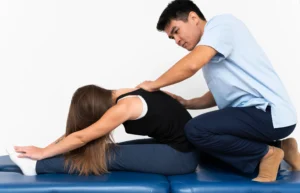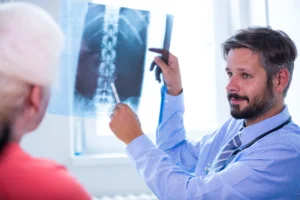

A slipped disc can make simple daily activities difficult. Sitting for long hours, bending forward, walking, or even sleeping may become painful when a spinal disc presses on nearby nerves. While many people immediately worry about surgery, physiotherapy is often one of the most effective non-surgical slip disc treatment options available.
The right physiotherapy program can actually help reduce pain, improve mobility, strengthen the spine, and support long-term recovery.
In this complete guide, you’ll learn how physiotherapy works, which exercises are commonly recommended, and what to expect during recovery.
Table of Contents
Understanding Physiotherapy for Slip Disc — And Why It Matters So Much
When a slipped disc occurs, the body naturally tries to protect the injured area, which can cause muscle tightness, stiffness, and pain. Many people feel that complete bed rest is the best solution, but staying inactive for too long can actually slow recovery and make the back weaker.
Physiotherapy for slip disc is crucial because it helps reduce pressure on the affected nerve, improves movement, and strengthens the muscles that support your spine. It not only helps relieve pain but also addresses the root cause of the problem, reducing the chances of future disc injuries.
What Is a Slipped Disc?
A slipped disc — medically called a herniated or prolapsed disc — occurs when the soft, gel-like centre of a spinal disc pushes through a tear in its tougher outer layer. This bulging material can press against nearby spinal nerves, causing pain, numbness, or weakness that often radiates beyond the back itself.
Slipped discs most commonly occur in the lower back (lumbar spine) but can also affect the neck (cervical spine), depending on which area experiences the greatest mechanical stress over time.
Causes of a Slipped Disc
Understanding what causes a slipped disc helps you recognise risk factors before they lead to injury.
- Age-related disc degeneration — discs naturally lose water content and flexibility over time, becoming more prone to tearing
- Repetitive heavy lifting — especially when bending and twisting simultaneously
- Sudden traumatic strain — a single forceful movement, fall, or accident
- Prolonged poor posture — extended sitting with poor spinal alignment increases disc pressure
- Excess body weight — added load on the lower back accelerates disc wear
- Sedentary lifestyle — weak core and back muscles fail to adequately support the spine
Types and Stages of Disc Injuries
Disc injuries are not all the same severity, and physiotherapy approaches differ depending on the stage:
- Disc Protrusion — the earliest stage, where the disc bulges slightly without rupturing
- Disc Herniation — the outer layer tears, and the inner material pushes outward
- Disc Extrusion — material leaks further out but remains connected to the disc
- Disc Sequestration — the most advanced stage, where a fragment fully separates and may require closer medical monitoring
Identifying the correct stage is crucial, as physiotherapy techniques for slip disc treatment are adjusted based on severity and nerve involvement.
Symptoms and Diagnosis
Common Symptoms to Watch For
- Sharp or burning pain in the lower back, often radiating into the buttocks or legs (sciatica)
- Numbness or tingling along the path of the affected nerve
- Muscle weakness in the legs or arms, depending on disc location
- Pain that worsens with sitting, bending, or coughing
- Reduced range of motion in the spine
How a Slipped Disc Is Diagnosed
A proper diagnosis combines clinical assessment with imaging to confirm severity:
- Physical examination — testing reflexes, muscle strength, and nerve sensitivity
- Straight leg raise test — helps identify nerve root irritation
- MRI scan — the gold standard for visualising disc herniation and nerve compression
- X-ray — used to rule out other structural spine issues
What Should I Do If I Have a Slipped Disc?
If you have a slipped disc, the right early steps can significantly improve recovery and help prevent the condition from worsening. Staying active in a safe and controlled manner is often more beneficial than complete rest.
- Stay gently active rather than completely bedridden — short walks help maintain circulation
- Apply ice in the first 48 hours to reduce inflammation, then switch to gentle heat
- Maintain good posture while sitting, using lumbar support if needed
- Begin physiotherapy assessment early — delaying treatment often prolongs recovery
- Sleep with a pillow between your knees (side-sleeping) to reduce spinal pressure
What Shouldn’t I Do If I Have a Slipped Disc?
Some activities can increase pressure on the affected disc and slow the healing process. Avoiding these common mistakes can help support a smoother recovery.
- Avoid prolonged bed rest beyond a day or two — it weakens supporting muscles
- Do not lift heavy objects or twist your spine suddenly
- Avoid high-impact activities like running or jumping until cleared by a professional
- Do not ignore worsening numbness, weakness, or loss of bladder control — seek urgent care immediately
How Physiotherapy Helps a Slipped Disc
Physiotherapy for slip disc works through several complementary mechanisms:
- Reduces nerve compression through targeted spinal positioning and decompression techniques
- Relieves muscle spasm surrounding the injured disc
- Improves circulation to support natural disc healing
- Strengthens core and back muscles to reduce future load on the spine
- Restores flexibility and range of motion gradually and safely
- Prevents recurrence by correcting posture and movement patterns that caused the original injury
This combination is why physiotherapy is consistently recommended as a first-line, non-surgical treatment for most slipped disc cases.
Top 5 Physiotherapy Techniques for Slip Disc Treatment
1. McKenzie Method (Extension Exercises)
A structured series of extension-based movements designed to reposition disc material away from the nerve and centralise pain back toward the spine.
2. Manual Therapy and Spinal Mobilisation
Hands-on techniques performed by a physiotherapist to gently restore joint movement and reduce muscle tightness around the affected segment.
3. Traction Therapy
Mechanical or manual traction creates space between vertebrae, temporarily relieving pressure on the compressed nerve root.
4. Core Stabilisation Training
Targeted strengthening of the deep abdominal and spinal stabiliser muscles to provide long-term structural support for the lower back.
5. Nerve Gliding Exercises
Gentle mobilisation techniques that help reduce nerve irritation and improve the nerve’s ability to move freely within surrounding tissue.
Safe Exercises for a Slipped Disc
These exercises are commonly safe when introduced gradually and under professional guidance:
- Pelvic tilts — gently engage core muscles without straining the spine
- Cat-cow stretch — improves spinal mobility through controlled flexion and extension
- Bridging — strengthens glutes and lower back support muscles
- Bird-dog exercise — builds core stability while minimising spinal load
- Walking — low-impact movement that promotes circulation and healing
Always begin with a physiotherapist’s guidance, as performing exercises incorrectly can aggravate symptoms.
Recovery Timeline and Influencing Factors
Most patients experience meaningful improvement within 6 to 12 weeks of consistent physiotherapy for slip disc treatment, though full recovery varies based on:
- Severity and stage of the disc injury
- How early was treatment started
- Patient consistency with prescribed exercises
- Overall fitness, weight, and posture habits
- Presence of nerve compression versus disc bulge alone
Patients who begin physiotherapy early, rather than waiting for symptoms to worsen, typically recover faster and with fewer complications.
Prevention of Future Disc Injuries
Recovering from a slipped disc is important, but preventing future disc injuries is equally essential. Small lifestyle changes and consistent spinal care can significantly reduce the risk of recurrence.
- Maintain a healthy body weight to reduce spinal load
- Practise correct lifting technique — bend at the knees, not the back
- Strengthen core muscles through regular, low-impact exercise
- Avoid prolonged sitting; take movement breaks every 30-45 minutes
- Use ergonomic seating and maintain neutral spine posture
- Continue periodic physiotherapy check-ins even after recovery
Frequently Asked Questions
1. Is physiotherapy good for a slipped disc?
Yes — physiotherapy is one of the most effective first-line treatments for a slipped disc. It relieves nerve pressure, reduces muscle spasm, and strengthens the spine to prevent recurrence, helping most patients avoid surgery altogether.
2. Which therapy is best for slip discs?
The McKenzie Method, combined with core stabilisation training and manual therapy, is widely considered among the most effective physiotherapy approaches for slip disc recovery, though the ideal combination depends on your specific symptoms and disc stage.
3. What is the fastest way to heal a slipped disc?
Starting physiotherapy early, staying gently active, avoiding prolonged bed rest, and consistently following a personalised exercise programme typically leads to the fastest and most sustainable recovery.
4. How to cure a slip disc without surgery?
Most slipped discs heal without surgery through a combination of physiotherapy, targeted exercises, posture correction, and lifestyle adjustments — surgery is generally only considered when conservative treatment fails or severe nerve compression is present.
5. Does a slip disc ever heal?
Yes — many slipped discs heal naturally over weeks to months as inflammation reduces and the body reabsorbs herniated material, especially when supported by appropriate physiotherapy and activity modification.
Conclusion
Physiotherapy for slip disc is one of the most effective non-surgical treatments for reducing pain, improving mobility, and supporting long-term recovery. With the right combination of targeted exercises, manual therapy, and consistent rehabilitation, many patients can return to their normal activities without surgery.
If symptoms occur despite treatment or you experience worsening weakness, numbness, or nerve-related symptoms, specialist evaluation is important. Dr. Amit Shridhar — Best Spine Surgeon in Delhi provides expert diagnosis and comprehensive treatment options, from conservative physiotherapy-led care to advanced surgical solutions when needed.